Flexible Lease Housing for International Students in NYC

May 15, 2026 | By Zack Schoem
Flexible Lease Housing for International Students in NYC
The standard NYC lease is twelve months, unfurnished, with a broker fee, a security deposit, and income verification at roughly 40x the monthly rent. That structure was designed for domestic renters with stable US employment and US credit history. For international students arriving on F-1 or J-1 visas, it’s almost perfectly mismatched to the actual shape of student life — programs don’t run twelve months, visa timing is unpredictable, financial documentation looks different than the standard form expects, and plans change based on circumstances that domestic renters don’t face.
Flexible lease housing (i.e., short-term and month-to-month co-living arrangements) exists specifically to fix this mismatch. This guide is about how, when, and for which international student scenarios it fits best. It covers the timing realities that make flexibility genuinely necessary (not just convenient), the documentation side of how co-living operators handle international applicants, and specific program types where the standard twelve-month lease simply doesn’t work.
For the broader picture of NYC student housing generally, we’ve compiled an off-campus student housing overview that covers the full landscape including commute math and guarantor workarounds. This post focuses specifically on the international-student-plus-flexible-lease intersection.
The Timing Problems Domestic Students Don’t Have
Before diving into housing specifics, worth being explicit about the timing realities that make lease flexibility structurally necessary for many international students rather than just nice to have:
Visa processing uncertainty
F-1 and J-1 visa processing times vary dramatically by country, embassy, and time of year. Some students get visas issued in two weeks; others wait three or four months. The practical effect: international students often can’t commit to a move-in date with any confidence until they actually have the visa stamped in their passport. Signing a twelve-month lease starting September 1 in March assumes you’ll be in NYC by September 1. If the visa comes through in late August, you’re fine. If it comes through in October, you’ve just paid for a month of housing you weren’t in.
Arrival before housing is ready
Many international students arrive in NYC ten days to three weeks before classes start for orientation, acclimation, and jet lag. Traditional leases usually start on the 1st or 15th of a month, with no flexibility on early move-in. A student arriving August 20 for a September 1 lease start needs housing for those ten days, which for visitors typically means a hotel or a short-term rental. Co-living with flexible start dates can often accommodate mid-month move-in or early arrival by a week or more, which matters when you’re already navigating jet lag and a new country.
Mandatory or planned travel home
Most international students return home at least once a year for family, for cultural holidays, for visa renewal that must be completed from the home country. Summer breaks in particular can mean two to three months away from NYC. A twelve-month lease charges you for those months; a nine-month academic-year arrangement or a three-month rolling co-living lease doesn’t. For students paying full rent in NYC during a summer spent in Beijing or São Paulo, the cost of lease-calendar mismatch is real money.
Visa renewal and the “gap trip” problem
For students who need to renew an F-1 visa, the renewal must typically be done at a US embassy or consulate outside the country. That means leaving the US for at least a few weeks, sometimes longer if administrative processing is triggered. If you’re mid-lease during that trip, you’re paying for an empty apartment. If you’re also uncertain whether your visa renewal will be granted (a real possibility, depending on the circumstances), the stakes of a twelve-month commitment rise meaningfully.
Program transitions: F-1, OPT, STEM OPT, H-1B
Students nearing graduation often face an uncertain transition from F-1 to OPT (Optional Practical Training) to potentially an H-1B work visa. The timing and outcome of each step isn’t fully predictable. A student finishing a master’s program in May may be committed to OPT through the following May, or may be moving to a different city for a job, or may be returning home if employment doesn’t materialize. A flexible lease that can end on 30 days’ notice gives room to respond to whichever of those futures actually happens. A twelve-month lease locks you in.
Program Types Where Flexible Leases Fit Best
Not every international student needs a flexible lease. A four-year undergraduate at NYU with stable visa status and a predictable academic calendar may be fine on a traditional lease after the first year. But several common international student profiles are genuinely better served by flexible arrangements:
Exchange semester students (one semester, not a full year)
Students visiting NYC institutions for a single semester — through university exchange programs, visiting-student arrangements, or specific research placements — need housing for four to five months. The traditional rental market doesn’t offer this; you’d be signing a twelve-month lease for a four-month stay. Co-living with a three- or six-month lease fits the semester window almost exactly.
Language program students
NYC has a large population of international students attending English-language programs at Columbia’s ALP, NYU’s ALI, Kaplan, or other institutions. These programs range from four weeks to a year, often in modular increments that students extend or shorten based on progress. The lease length needs to match the program length — a three-month initial commitment with month-to-month extension is usually the right fit.
One-year master’s programs
Many US master’s programs run nine to twelve months, with different end dates depending on whether the program requires a summer component. A student in a nine-month program who plans to leave NYC immediately after graduation needs nine months of housing, not twelve. Co-living’s three-month-plus-rolling structure lets you lease through the program’s actual end without overcommitting.
Graduate students with unpredictable program end dates
PhD students defending in an unknown month, master’s students completing thesis projects on uncertain timelines, students whose funding is year-to-year — all of these face genuine uncertainty about when they’ll leave NYC. Flexible leases let the housing timeline match the program timeline rather than forcing the program into the lease.
OPT and post-graduation transitions
The period between finishing an academic program and securing (or not securing) employment on OPT is one of the highest-uncertainty stretches for an international student. You may know where you’ll be for the next three months; you probably don’t know where you’ll be for the next twelve. Month-to-month co-living during this transition is a common and structurally sensible use case.
For a deeper look at how flexible lease economics actually work — what the premium costs and when it’s worth paying — we’ve put together a guide for co-living costs that covers the math.
Documentation Realities for International Students
The standard US rental application assumes US credit history, US income documentation, and a US-based guarantor — three things most international students don’t have on arrival. How housing operators handle applicants without this documentation is one of the most important differences between traditional landlords and co-living operators:
What traditional landlords typically require
A US credit score of 650+, annual income of roughly 40x the monthly rent (or a US-based guarantor earning 80–100x), US rental history, US bank statements, and typically the first month’s rent plus a security deposit plus a broker fee upfront. For an international student arriving without US credit and without a US guarantor, this often means either paying several months of rent upfront (tying up $15,000–$30,000 in cash) or using an institutional guarantor service like Insurent or The Guarantors at a fee of 80–110% of one month’s rent.
What co-living operators typically require
The documentation bar is structurally lower for co-living because the operator carries the building risk rather than passing it entirely to the resident. Typical co-living documentation for an international student: proof of identity (passport), proof of visa or I-20, proof of enrollment or admission, and proof of funds to cover the intended lease term. US credit history is generally not required; US-based guarantors are generally not required. First month’s rent plus a standard security deposit at signing. No broker fee. This dramatically reduces both the upfront cash requirement and the friction of qualifying.
Payment from abroad
Most reputable co-living operators accept international wire transfers for rent payment, along with US bank transfers and credit cards. Be aware that wire transfers from foreign banks can take three to seven business days and carry wire fees ($25–$50 per transaction from most international banks). For recurring monthly rent, setting up a US bank account after arrival and switching to ACH is usually worth it. Roomrs handles international payment during the initial application and deposit phase, with most residents transitioning to US banking for ongoing rent.
The deposit refund complication
One specific issue worth planning for: when the lease ends, the security deposit needs to be refunded to you, and if you’ve already left the US, that refund may need to be wired internationally. This works reliably with established operators but can be a headache with smaller landlords. If you’re planning to leave the US permanently at the end of your program, confirm with the operator in advance how the deposit refund will be handled, what their timeline is, and whether international wire fees will come out of the refund or be absorbed separately.
University-Specific Considerations
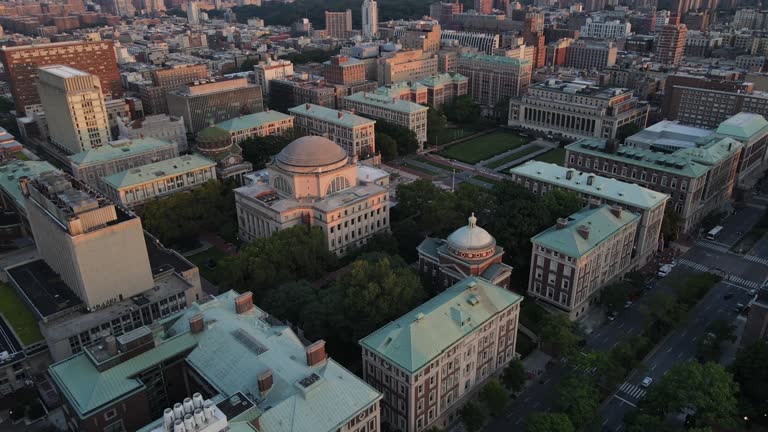
Different NYC universities have different infrastructure for helping international students find housing. Worth knowing what your school offers before assuming you’re entirely on your own:
- Columbia, NYU, Fordham, and most major NYC universities have international student offices (usually called ISSO, OGS, or similar) that maintain housing resources specifically for international students. They don’t typically place you in housing, but they do provide vetted listings, warnings about common scams, and guidance on lease documentation for international applicants.
- For Columbia-affiliated students specifically, we have a guide that covers Columbia’s housing ecosystem in depth, including International House and university-affiliate housing options that can sometimes accommodate international students.
- Exchange students and visiting students may be eligible for short-term university housing that full-enrollment students can’t access — check with your specific program office.
- Language program students generally don’t have access to university housing at all, making flexible co-living arrangements the primary realistic option.
Common International Student Housing Mistakes
A few predictable mistakes that show up year after year, worth flagging:
- Signing a lease before arriving without a legitimate way to verify the apartment exists. Rental scams specifically target international students because the distance makes in-person verification impossible. Never wire a deposit before either touring the apartment in person, having a trusted contact in NYC tour it for you, or working with a legitimate operator with verifiable business credentials.
- Assuming a twelve-month lease is the only option. It’s the dominant option in the traditional market, but co-living offers three- and six-month alternatives that often fit international student timelines better. Many international students sign twelve-month leases and regret it by month six.
- Underestimating arrival timing issues. If your visa comes through at the last minute and you arrive ten days before classes start, a twelve-month lease that began on the 1st leaves you without housing for the first ten days of your stay. Plan for this contingency; don’t assume it won’t happen.
- Not budgeting for the upfront cash requirement of traditional leases. First month’s rent plus last month’s rent plus security deposit plus broker fee can easily run $12,000–$20,000 for a $3,000/month apartment. Co-living typically requires only the first month and a standard security deposit, reducing the upfront burden substantially.
- Ignoring roommate matching quality. In a new country with a new language and a new academic context, the quality of your roommate situation significantly affects how well you settle in. Operators that take roommate matching seriously — asking about study habits, schedules, language preferences, and cultural comfort — are meaningfully better choices than operators that just fill rooms.
Making the Decision
For an international student navigating NYC housing for the first time, the right framework is: match the lease length to the actual shape of your program and your life circumstances, not to whatever the traditional rental market defaults to. If you’re here for a semester, lease for a semester. If your program ends in May and you’re returning home, lease through May. If you’re uncertain about what the next six months look like because visa or employment transitions are pending, lease month-to-month and pay the flexibility premium that lets you respond to whatever actually happens.
The traditional twelve-month lease was designed for domestic renters with stable circumstances. The flexible lease formats that co-living offers were designed for populations whose circumstances genuinely aren’t that stable. International students are one of the specific populations this format exists for.
When you’re ready to browse current flexible-lease options, our available co-living inventory is the starting point — filter by neighborhood and budget to match your needs, and contact the operator about international application requirements specific to your situation.
