Finding Housing Near Columbia University: Your Options Explained
May 14, 2026 | By Zack Schoem
Finding Housing Near Columbia University: Your Options Explained
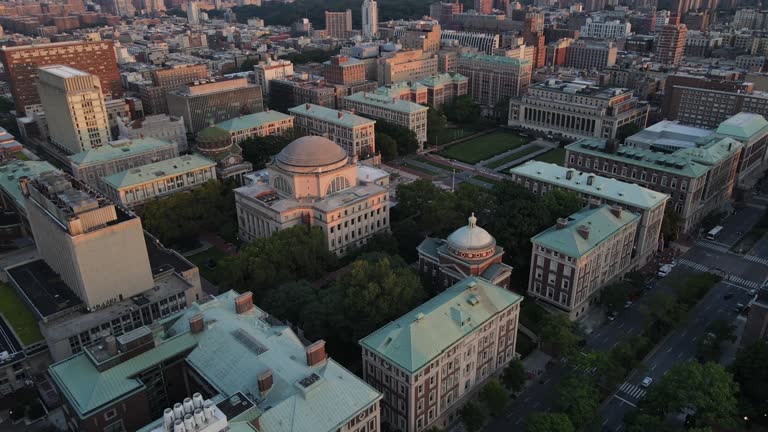
Columbia’s housing situation is unusual. The university owns and operates an unusually large residential real estate portfolio in Morningside Heights, consisting of thousands of apartments across more than a hundred buildings, and that inventory dramatically shapes what’s available (and what isn’t) to students looking off-campus. If you start your search without understanding how the Columbia housing ecosystem actually works, you’ll miss options you qualify for and waste time on options you don’t.
This guide is for Columbia students — undergraduate, graduate, professional-school, and international — trying to make sense of where to live and how to get there. It covers the university’s own housing system, the realistic off-campus neighborhoods, the specific differences for graduate and medical students, and a few things worth knowing before you apply to anything.
How Columbia’s Housing System Actually Works
Most undergraduate Columbia College and SEAS students are guaranteed on-campus housing for all four years. The off-campus question mostly comes up for graduate students, professional-school students (Law, Business, Journalism, SIPA, GSAS, etc.), some transfer and visiting students, and anyone who specifically opts out of on-campus housing.
For those students, Columbia operates several tiers of housing, and the distinctions matter:
University Apartment Housing (for faculty, staff, and some graduate students)
Columbia owns a large portfolio of apartments in Morningside Heights, primarily allocated to faculty, staff, and select graduate students by application and eligibility. This is typically below-market rent for the neighborhood and comes with a lease tied to Columbia affiliation. Availability is limited and competitive — most students who apply don’t get placed in their preferred unit or timeline. Check your school’s housing office for specific eligibility.
School-specific graduate housing
Several Columbia schools operate dedicated graduate housing. The Law School has residential buildings, SIPA and Business students have specific graduate residences available, and Teachers College runs its own housing system with its own waitlist and timeline. Medical students and residents at CUIMC (168th Street) have a separate housing office and separate inventory in Washington Heights. These systems don’t talk to each other, and eligibility for one doesn’t imply eligibility for another.
International House
A separate non-profit residence on Riverside Drive near Columbia, International House (“I-House”) houses graduate students and visiting scholars from more than a hundred countries. It’s not Columbia-operated, but it’s a fixture of the Columbia graduate community. Application is competitive and runs on its own cycle. Worth applying early if an international-community environment is a priority.
The off-campus market
Everything else (the Morningside Heights private market, the Upper West Side below 110th Street, Harlem, Washington Heights, and anywhere else) is what most off-campus Columbia students end up in. The rest of this guide is about that market, because it’s where most of the real decisions get made.
The Real Neighborhoods for Columbia Students
The 1 train is the geographic spine of Columbia off-campus housing. The 116th Street–Columbia University station is the front door of the main campus. Everything else is measured in stops from there.
Morningside Heights (110th–125th, west of Morningside Park)
The neighborhood the university is in. Walk to class in under ten minutes from most buildings. It’s also the most expensive option outside of university housing, and private inventory is limited because so much of the neighborhood’s housing stock is owned by Columbia itself. Expect to pay a premium for proximity. Best for: students who value walking to class above all else and have the budget for it.
Manhattan Valley (UWS, roughly 96th–110th)
The sweet spot for a lot of Columbia graduate and professional students. Two or three subway stops from campus on the 1. Meaningfully cheaper than Morningside Heights, more residential feel, better grocery options. This is where many Law and Business students end up. Walking distance to Central Park and Riverside Park.
Upper West Side (72nd–96th)
Further south, longer commute (20–30 minutes on the 1), but a fully-formed neighborhood with restaurants, nightlife, and a more “New York” feel than Morningside Heights. A reasonable choice if you want distance from campus and can absorb the commute. Closer to Lincoln Center–affiliated options if you’re in the arts.
Central Harlem (roughly 110th–135th, east of Morningside Park)
Comparable walk or short subway ride to campus depending on which block, and substantially cheaper than west-side equivalents. Strong and specific cultural identity. The 2/3 and A/B/C/D lines run here too, giving you more options for getting around the city than Morningside Heights does. Walking to campus involves crossing Morningside Park — daytime is fine, late night requires more awareness.
Washington Heights and Inwood
The cheapest options that still keep a Columbia student on the 1 train. Washington Heights (roughly 155th–190th) is a 15–25 minute subway ride to campus. Inwood (above 190th) is longer but gets you into Manhattan’s most affordable neighborhoods. This is also where most CUIMC medical campus students live, since the medical campus is in Washington Heights itself. For main-campus Columbia students, Washington Heights is the neighborhood where budget-constrained students tend to land.
You can browse current available rooms across these neighborhoods at Roomrs— the Upper West Side inventory specifically covers the stretch of the 1 train most accessible to Columbia.
The CUIMC Exception: Medical Campus Students
If you’re at Columbia’s medical campus — the Vagelos College of Physicians and Surgeons, the Mailman School of Public Health, the School of Nursing, or residing at NewYork-Presbyterian/Columbia — your housing problem is different. The medical campus is at 168th Street, roughly five miles north of the main campus. Commuting daily between the two is impractical for a rigorous medical schedule.
Medical students generally live in one of three places:
- CUIMC-operated graduate housing — the medical campus has its own housing office and dedicated inventory, separate from the main-campus system.
- Washington Heights private market — cheaper than main-campus Columbia housing and walking distance to the medical center.
- Inwood — further north, cheaper still, with direct 1 train access to CUIMC.
Renters with main-campus classes mixed in (common for Public Health students taking courses downtown) often find Washington Heights the best compromise — direct 1 train service to both 168th and 116th.
Lease Timing: The Columbia-Specific Problem
Columbia’s academic calendar runs early September to mid-May for most programs. Standard NYC leases are twelve months. For graduate and professional students especially, this creates two predictable problems:
- You sign a September 1 lease and are paying for June, July, and August even though you may be in a summer internship in another city, back home, or abroad.
- If you’re in a program with a fall start and spring end that doesn’t span a full year — for example, a one-year master’s program, or a semester-visiting arrangement — you end up needing housing for 9–11 months in a market that prefers twelve.
Three workarounds:
- Columbia-affiliate housing often runs on academic-year contracts, aligned with the semester calendar. If you can get placed in it, the calendar problem disappears.
- Subletting. The Columbia sublet market is unusually active because so many students cycle through summer programs. The university’s off-campus housing office maintains listings, and internal sublet networks (Columbia-specific Facebook groups, school-specific Slacks, and the like) circulate plenty of opportunities.
- Co-living apartments with flexible lease terms. Operators like Roomrs offer leases starting at three months with month-to-month options after, which aligns much more cleanly with a semester-based schedule than a standard 12-month lease on a private apartment.
If the lease-calendar mismatch is your main obstacle, our guide to off-campus housing covers the flexibility question across NYC student housing more broadly.
International Students: Three Columbia-Specific Notes
Columbia has one of the largest international student populations of any US university, and the university has resources specifically for international housing questions. Three things worth knowing:
- ISSO (the International Students and Scholars Office) doesn’t place students in housing but does maintain guidance on guarantor requirements, visa documentation for leases, and common scams targeting international students. Worth reading before you sign anything.
- The guarantor problem is the same one every international student in NYC faces — most landlords require a US-based co-signer or institutional guarantor service. Co-living operators are often more flexible on this front than traditional landlords, because the lease structure and operator risk model are different.
- International House (mentioned above) is an unusually good fit for many international graduate students at Columbia — it’s built around exactly this population and has a multi-decade reputation. Apply early; the waitlist is real.
What to Avoid
A few Columbia-specific pitfalls worth flagging:
- The “Columbia-affiliated housing” scam. Listings on Facebook, Craigslist, or elsewhere that claim to be “Official Columbia housing” or “partner housing” and ask for deposits before a tour. The only official Columbia housing is what’s in the actual university housing system. Anything else is private market, regardless of what the listing claims.
- Summer sublets that exceed the primary leaseholder’s own term. If someone is trying to sublet you an apartment through August 31 but their own lease ends July 15, something is wrong — verify the primary lease before any money changes hands.
- Buildings near Morningside Park on blocks that feel different at night than during the day. Most are fine; a few are worth a walk-through at 10 p.m. before signing. This applies in any NYC neighborhood, but the parks that border Morningside are specifically worth an extra look.
- Informal Morningside Heights brownstone room-shares where you’re not on the lease. These are common in the Columbia ecosystem and some work fine. But being off-lease means you have no tenant rights if the primary tenant graduates, stops paying, or decides they want the room back.
For students newer to co-living who are considering it as an alternative to traditional options, our writeup on mastering the co-living lifestyle is a helpful primer on how the format actually works day to day.
Starting the Search
The right order of operations for a Columbia student looking off-campus: check your school’s housing office first for eligibility in any Columbia-affiliate inventory, apply to I-House early if relevant, and in parallel start looking at the private market and co-living options along the 1 train corridor between 72nd Street and Inwood. Build a real all-in number for each option — rent plus utilities plus furniture plus fees — before comparing anything.
When you’re ready to browse private market options with flexible leases, our Upper West Side listings are the closest Roomrs inventory to the Columbia campus. Filter by neighborhood and lease length to match your program’s calendar.
