Coliving in Manhattan (2026): Neighborhoods, Rent and How It Works

September 23, 2024 | By Or Goldschmidt
Coliving in Manhattan is simple: you get a private, furnished bedroom in a shared apartment, you share the kitchen and living room, and utilities and WiFi are included. No hunting for a couch, no fighting over who pays the internet bill. Rooms on Roomrs run from $1,291 to $2,883 a month (November 2026), depending on the building, the room and the lease length, and rooms start at a 3-month stay.
This guide covers where to live, who coliving suits, and how it all works. If you already know what you want, skip ahead and browse coliving rooms in Manhattan.
Co-living is an opportunity to lower your monthly living expenses by sharing a unit with other renters. Each renter has a private bedroom, and some rentals offer ensuite bathrooms. Renters share common areas that include a kitchen, living room, and dining area. The rent often includes utilities, cable, and Wi-Fi to avoid time-consuming installation services.
In addition to the financial benefits, shared housing in Manhattan creates a sense of community among the renters. It’s common for roommates to develop strong bonds of friendship as they spend time together. This informal support system is another appealing aspect of Manhattan co-living.
For many adults of every generation living in New York City, Manhattan is a hub of activity. This vibrant area offers everything locals need in their daily lives. From a thriving business district to dining and entertainment, co-living in Manhattan keeps everything close and convenient. Even when work or leisure takes you away from Manhattan, subway access makes travel less challenging.
Shared housing provides benefits for anyone, but it’s especially helpful for young adults new to the city, including professionals who are just launching their careers. Additionally, remote workers and digital nomads enjoy the flexibility that Manhattan co-living offers. Even international students find this option more desirable than overpaying for cramped dorm spaces.
The Benefits of Co-Living in Manhattan
If you’re unfamiliar with the concept of shared housing, you might feel wary about the experience. Exploring some Manhattan co-living benefits can give you a better grasp of this housing alternative.
Affordability
There are co-living options to fit every budget, and you might find that you can afford a larger or more luxurious living space when you look for co-living vacancies. Since renters share the overall costs, individual payments are lower. In addition to splitting the rent, roommates might share the cost of some household services.
Community Support
In addition to enjoying affordable co-living in Manhattan, you’ll also benefit from social support and companionship. Living alone in a big city can feel isolating, but that’s not the case in shared housing. You can turn to your roommates for conversation, advice, or emotional support.
Flexible Leases
Manhattan co-living offers some of the most flexible rental agreements available. Renting your room on a monthly basis gives you the freedom to move without having to fulfill the terms of a 6- or 12-month lease. Whether you’re an international student, seasonal worker, or a new resident of the city, monthly lease options help you stay mobile.
Prime Locations
You can find co-living rentals in any desirable Manhattan neighborhood. Whether you are an artist, work in finance, or enjoy the theater, some rentals will keep you in an ideal central location. Many co-living properties keep renters close to subway stops as well.
The Best Manhattan Neighborhoods for Co-Living
When it comes to finding Manhattan’s best neighborhoods, personal preference will play a significant role in making your decision. Each community offers a unique living experience, so it’s important to match your interests with a complimentary Manhattan co-living location.
Hell’s Kitchen
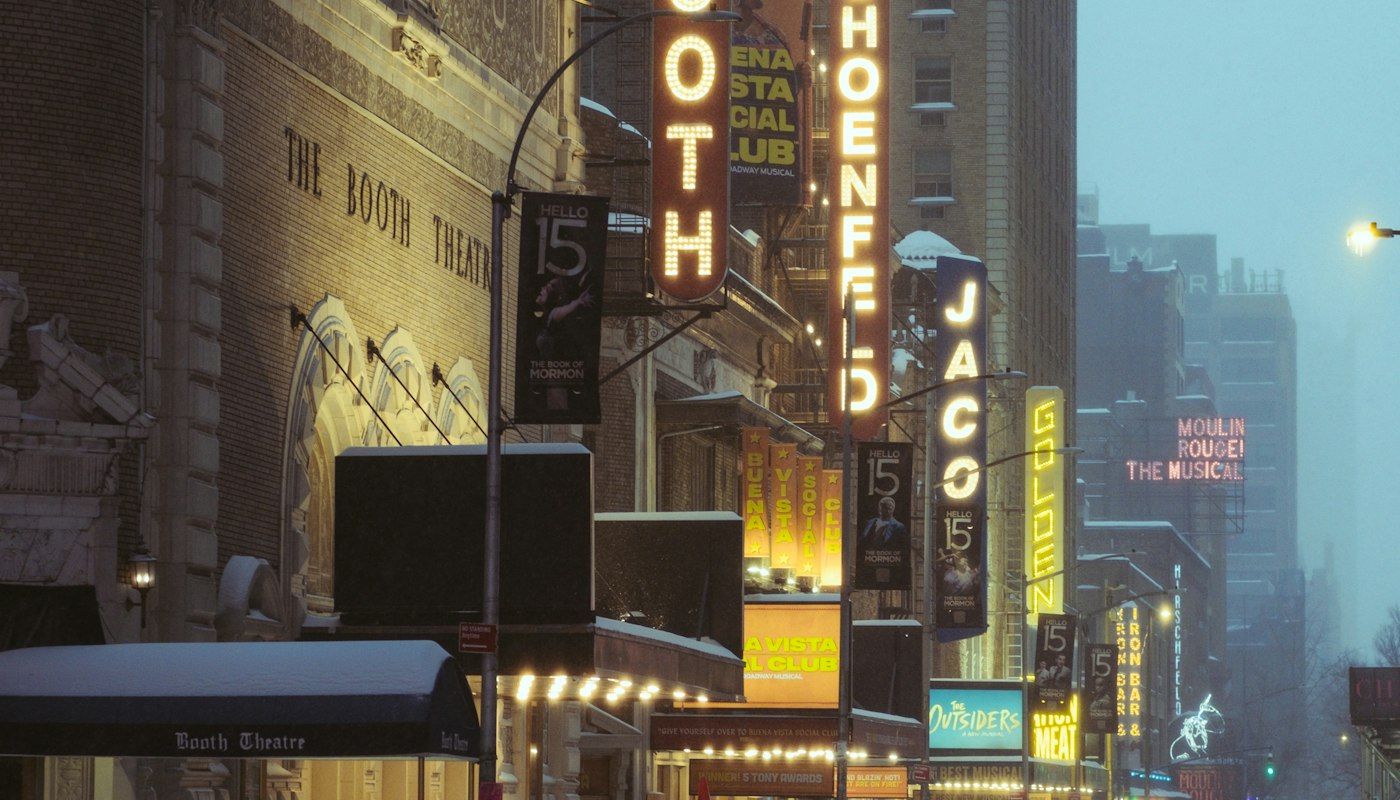
Hell’s Kitchen runs from about 34th to 59th Street, between Eighth Avenue and the Hudson River, and its heart is Ninth Avenue. Come hungry: Ethiopian, Greek, Neapolitan pizza and Thai noodle shops sit side by side, and the theater crowd and the locals fight over the same tables. After dinner you have Off-Broadway shows, one of the city’s best-known LGBTQ+ nightlife scenes, and a weekend flea market for your Sunday wander. Times Square is under 15 minutes on foot (close enough to visit, far enough to avoid), and the A, C, E, 1 and 7 trains and Port Authority are right there. It suits people who work in Midtown and want some fun after work. See coliving rooms in Hell’s Kitchen.
Upper West Side

The Upper West Side is the calm, green one. Central Park is on one side, Riverside Park on the Hudson is on the other, and there is a reservoir loop of about 1.6 miles if you want to pretend you are a runner (you might actually become one). Culture is a short walk away: Lincoln Center (the Metropolitan Opera, New York City Ballet, the New York Philharmonic and Juilliard), the American Museum of Natural History, and the New-York Historical Society. And Zabar’s on Broadway at 80th Street is a local legend, so bring an appetite for bagels and smoked fish. The 1, 2, 3, B and C trains run through, so Midtown and downtown are quick. It suits students, hospital staff and anyone who wants a quieter base. See coliving rooms in Upper West Side.
Upper East Side

The Upper East Side is where the museums live. Museum Mile on Fifth Avenue runs from 82nd to 105th Street, with the Metropolitan Museum of Art, the Guggenheim, the Cooper Hewitt, the Jewish Museum and the Neue Galerie, and every June the Museum Mile Festival opens them free in the evening. Central Park is on one side and Carl Schurz Park on the East River is on the other. On the side streets east of Madison you will find long-running delis and neighborhood bars, plus old-school spots like Lexington Candy Shop. The 4, 5 and 6 trains and the Q on Second Avenue serve the area. It is one of the pricier parts of Manhattan, so coliving is a smart way to live here for less than a private apartment. It suits people who want a steady, residential area near the art. See coliving rooms in Upper East Side.
East Harlem

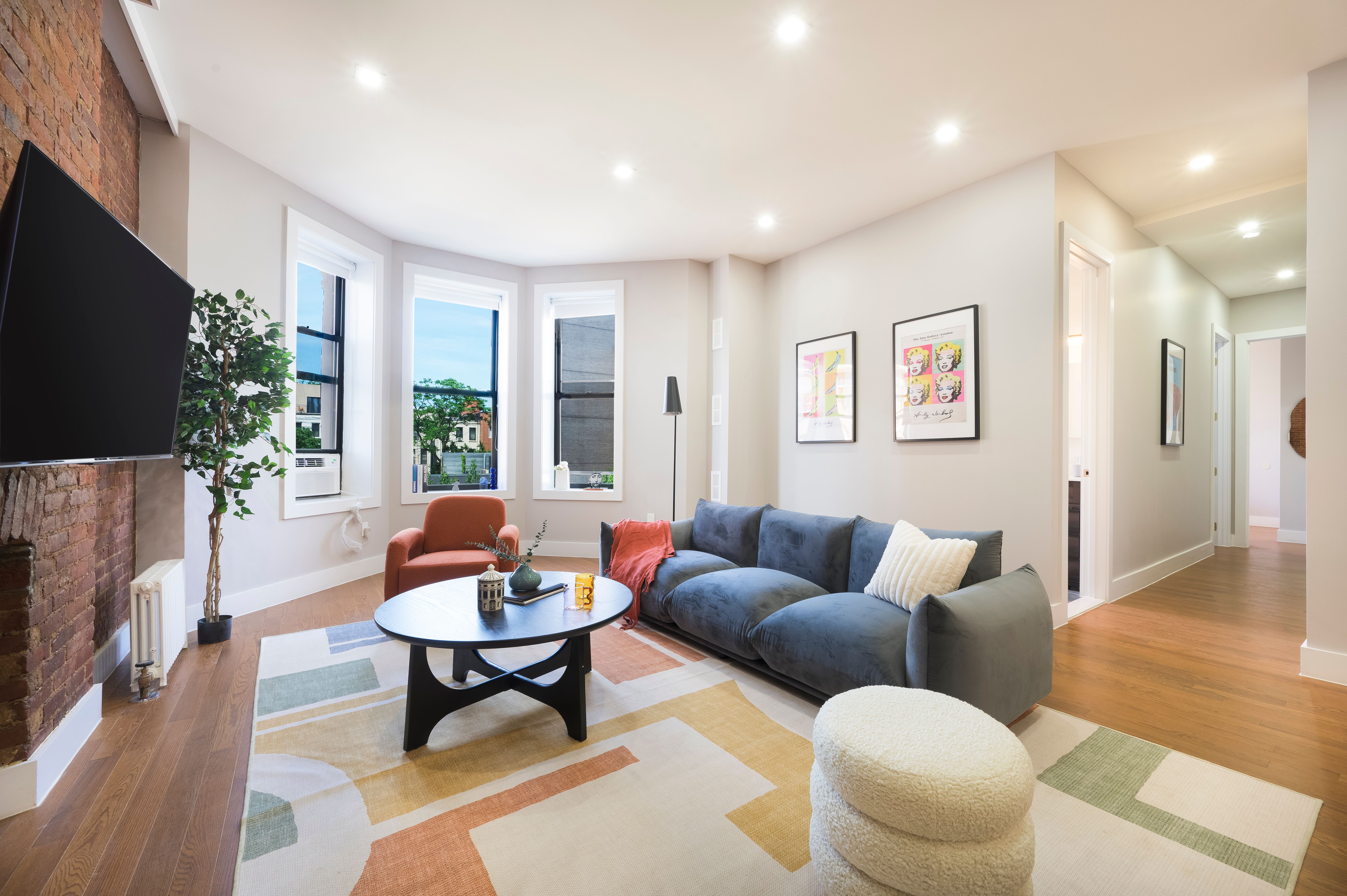
East Harlem, also called El Barrio, has one of the city’s largest Hispanic communities, and you will taste it in the Puerto Rican and Mexican food and see it in the street art. El Museo del Barrio is at Fifth Avenue and 105th Street, next to the Museum of the City of New York and the Conservatory Garden, a formal garden at the north end of Central Park that is a great place to read a book. La Marqueta, a market under the Metro-North tracks between 111th and 116th Streets, has food vendors, shops and live music. The 4, 5 and 6 trains and the Metro-North station at 125th Street connect you to Midtown and beyond. It is one of the more affordable parts of Manhattan, and it suits people who want culture and local character. See coliving rooms in East Harlem.
West Harlem

West Harlem, also called Manhattanville, sits between about 123rd and 135th Street, with the Hudson River on one side and City College on the other. Columbia’s Manhattanville campus is here, and the waterfront is the real star: West Harlem Piers Park has two acres on the Hudson for fishing, kayaking or just sitting and watching the water, and the Hudson River Greenway is made for running and cycling. The food is wide open, from soul food and barbecue to ramen and Mexican. The 1 train and the A, B, C and D at 125th Street get you to Midtown quickly, and the Apollo Theater is a short ride away. It suits students, researchers and anyone who wants river views and some breathing room. See coliving rooms in West Harlem.
SoHo

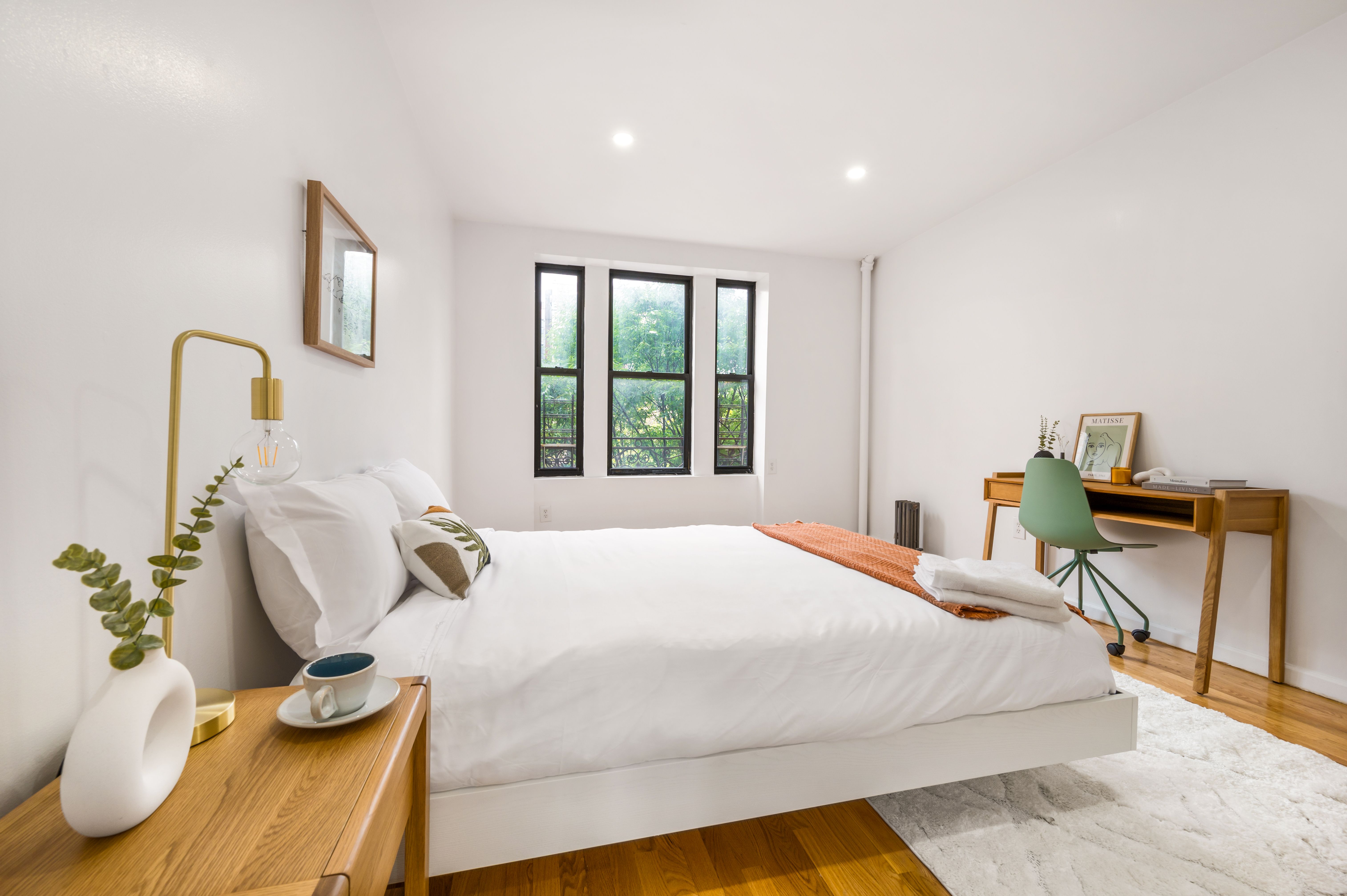
SoHo is basically a museum of cast-iron buildings: about 500 of them across 26 blocks, protected as a historic district since 1973. Today the ground floors hold boutiques, vintage shops and galleries, plus classics like Balthazar, The Dutch and Blue Ribbon. Fair warning: most shops open around 10 AM and close around 8 PM, so this is a sleep-in kind of neighborhood. Culture is close, including the New Museum a short walk away on the Bowery and the New York Earth Room, a quiet gallery piece that is exactly what it sounds like. The C and E at Spring Street, the B, D, F and M at Broadway-Lafayette and the N, R and W at Prince Street all stop nearby. It suits people in creative fields and anyone who wants to be in the middle of downtown. See coliving rooms in SoHo.
Gramercy Park
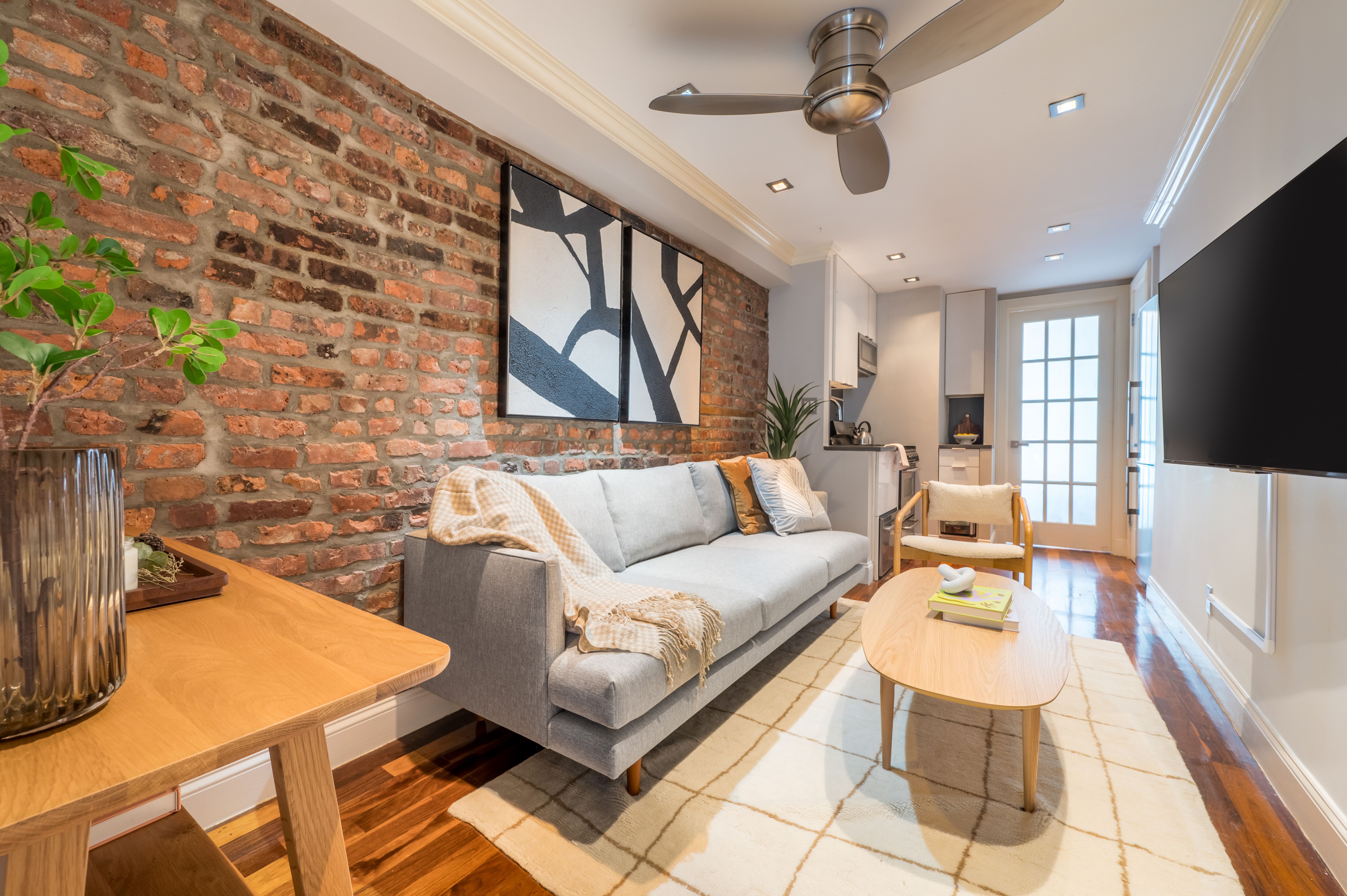
Gramercy Park is leafy and residential, built around a private park, Gramercy Park itself, that only residents and hotel guests have keys to (yes, really). Around it you get a mix of old and new: Pete’s Tavern on Irving Place, open since 1864 and often called the city’s oldest surviving saloon, the music venue Irving Plaza, and restaurants such as Gramercy Tavern and Maialino. Union Square is a short walk, with a year-round farmers market and the L, N, Q, R, W, 4, 5 and 6 trains at one station, so you can get almost anywhere. It is quiet at night but close to downtown, and it suits people who want calm streets and easy transit. See coliving rooms in Gramercy Park.
Lower East Side

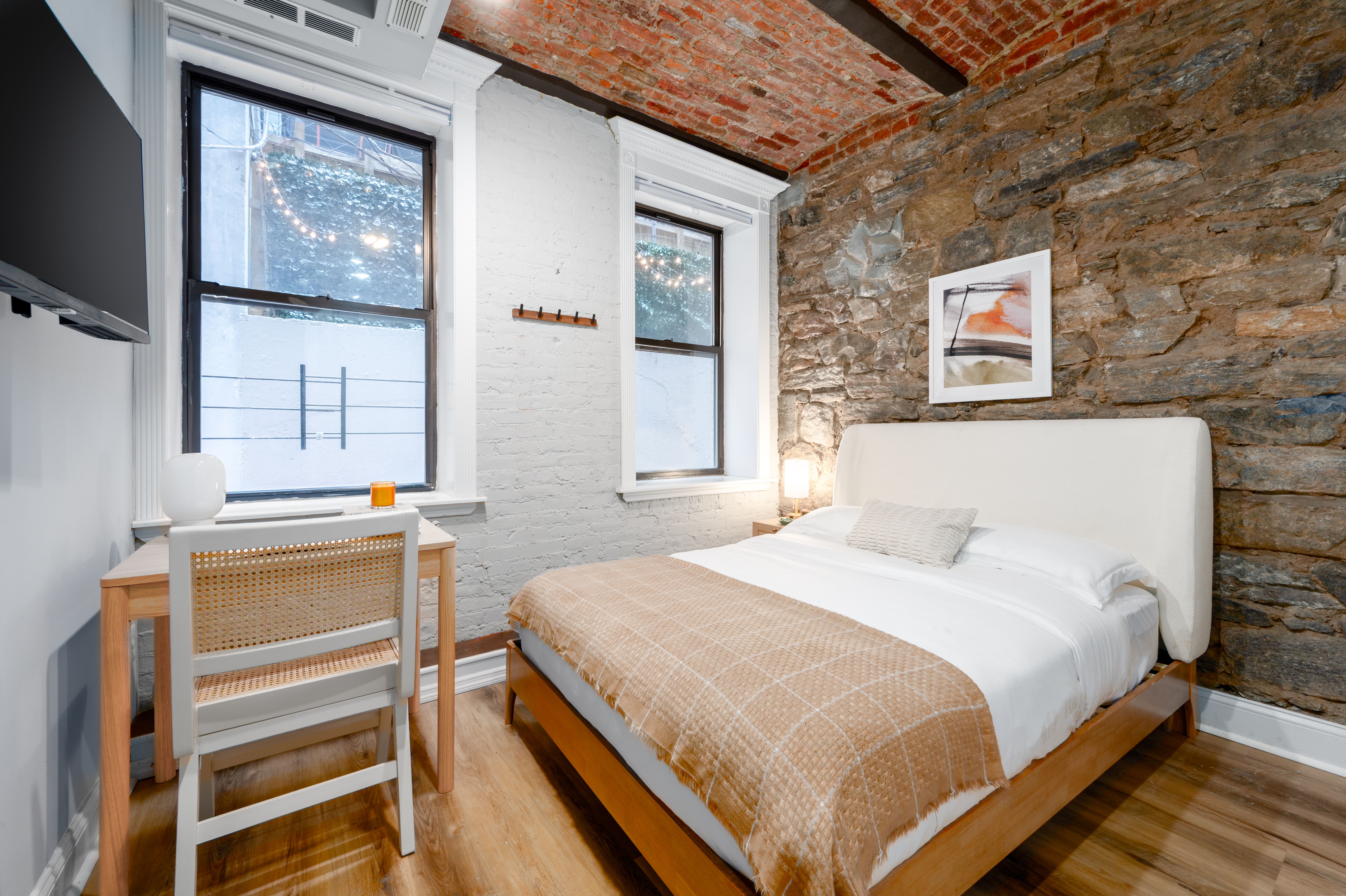
Choose co-living in Lower East Side Manhattan when you’re looking for an artsy, cultured atmosphere. People who enjoy a diverse selection of cuisine will also enjoy this neighborhood. After the sun sets, the area comes alive with a thrilling and active nightlife. See coliving rooms in the Lower East Side.
East Village
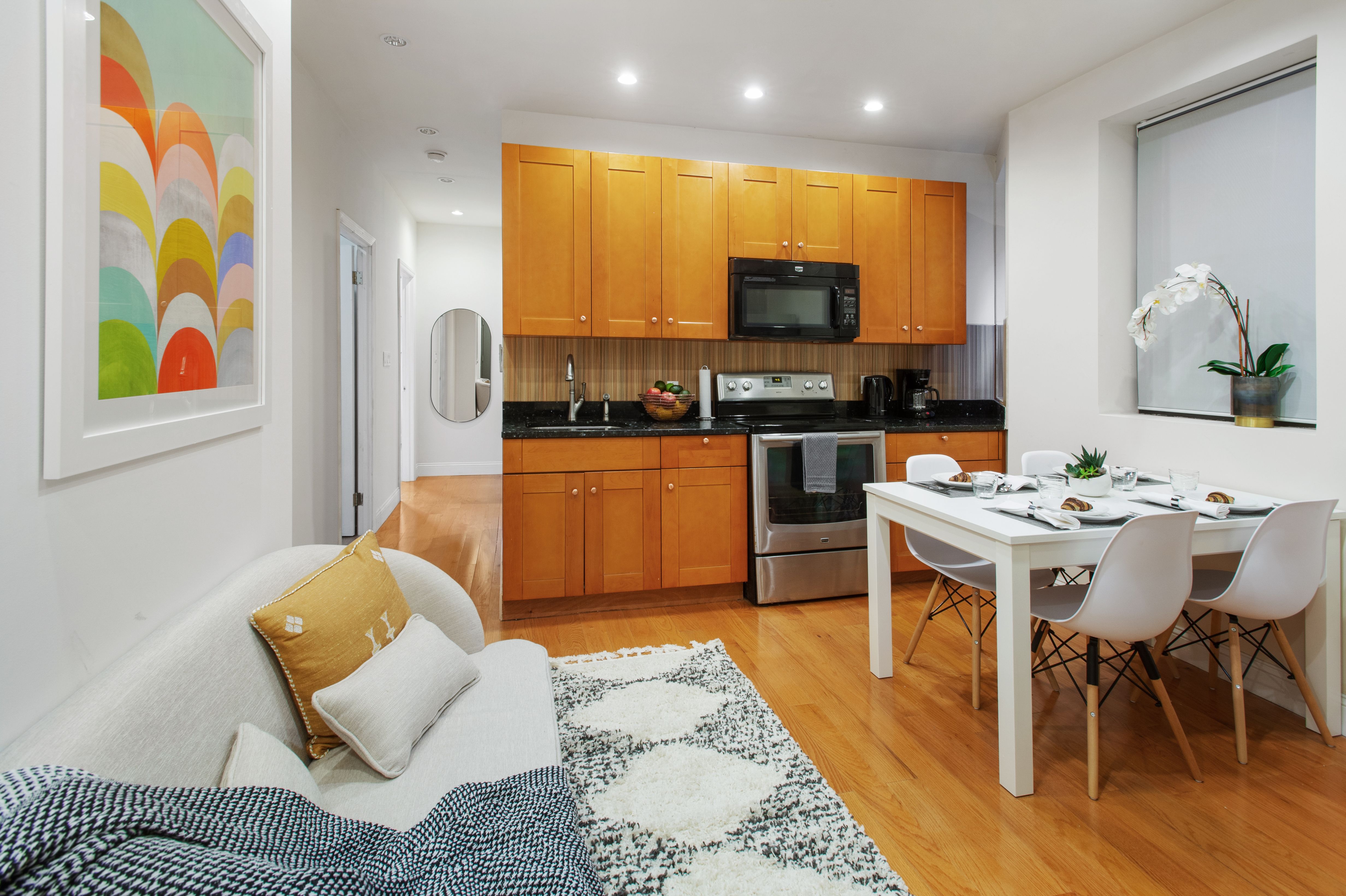
If you want to live in the midst of history, few places stand out like East Village. You’ll find preserved architecture and historic landmarks that commemorate the rich past of New York City. This culturally diverse area has a relaxed atmosphere and a population that readily accepts anyone into their fold. Co-living in the East Village provides the full New York experience. See coliving rooms in the East Village.
Midtown

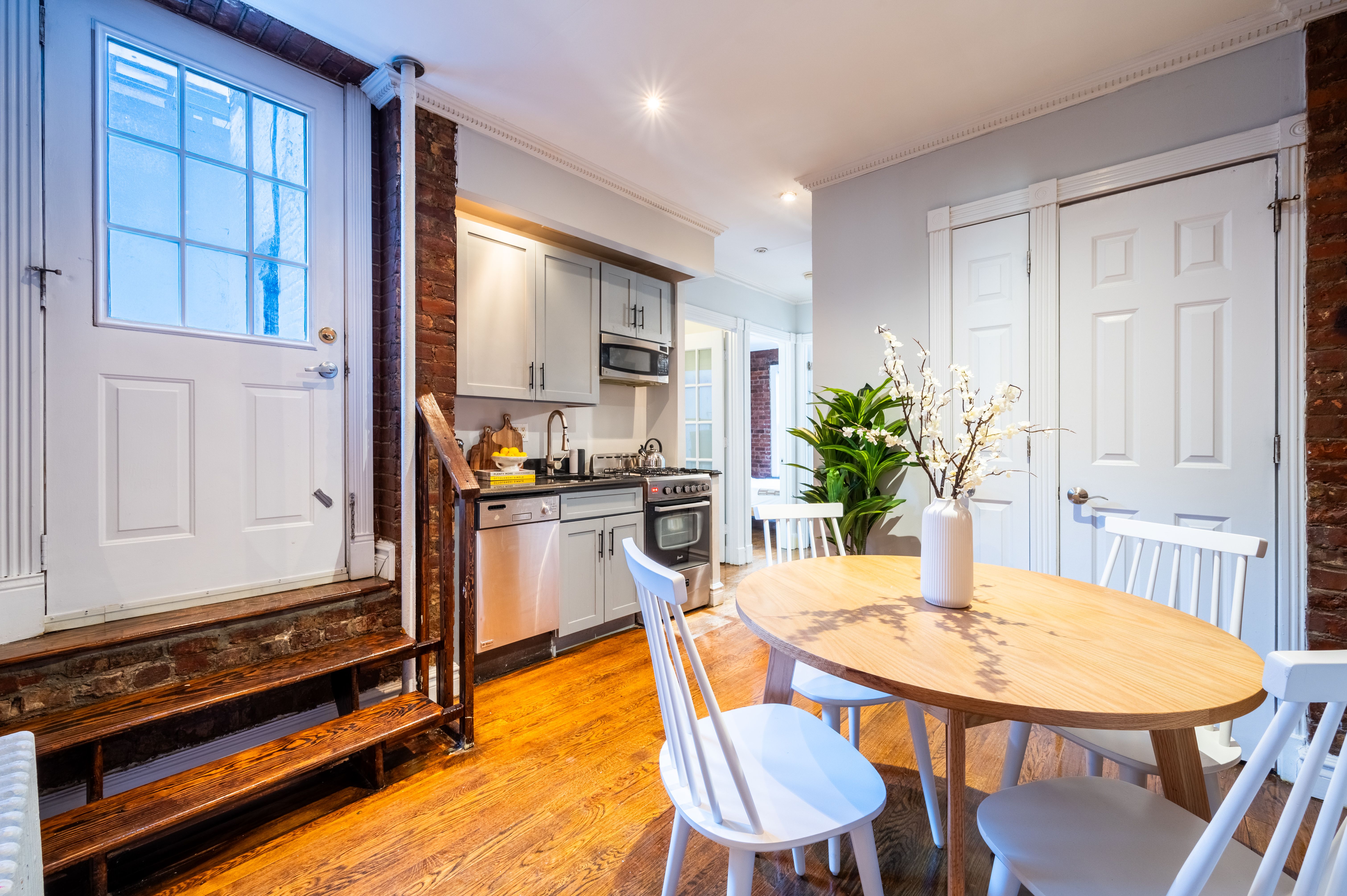
Co-living in Midtown Manhattan is a popular choice because there are so many diverse community resources here. In addition to corporate headquarters for a variety of businesses, Midtown serves as home for New York’s entertainment and commerce industry. Renting a room in Midtown keeps you close to theaters, dining, and shopping. See coliving rooms in Midtown.
Who Should Consider Co-Living in Manhattan?
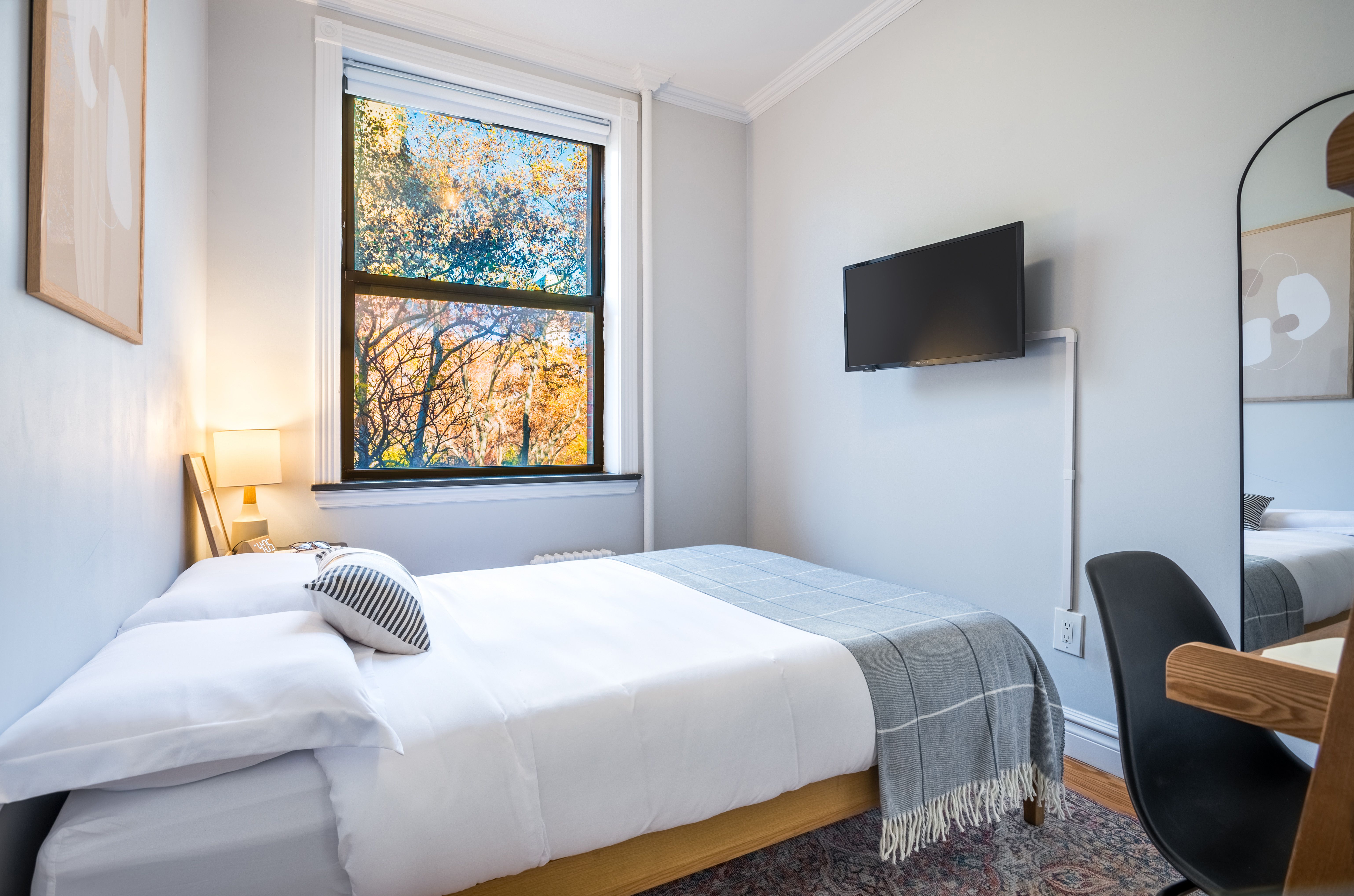
It helps to know what type of people generally consider Manhattan co-living as an alternative form of housing. While anyone can join a co-living or shared housing rental, people in certain situations find this option more appealing.
Young Professionals
Someone who is a recent college graduate can find appeal in co-living for professionals in Manhattan. That’s because traditional apartments close to Manhattan’s financial, tech, and entertainment districts typically come with the highest price tags. A co-living apartment significantly reduces the cost of living for young professionals in these areas.
International Students
Students who are studying abroad in New York City might not find dorm life appealing. Rather than renting a high-cost Manhattan apartment, students prefer the more cost-friendly third option of co-living. Shared housing is usually more spacious, and there are many co-living properties close to New York’s most popular universities.
Remote Workers and Digital Nomads
Co-living offers everything a digital nomad needs for work and relaxation. During the day, they can use the free Wi-Fi in their rental to complete their work assignments. Once they finish their work, they can relax and use the amenities in their co-living community. For remote workers, the monthly rent is a bargain since it saves them from paying for additional workspaces.
Artists and Creatives
Similar to digital nomads, artists and creatives want a space where they can live and pursue their craft. When renting creative co-living spaces, Manhattan artists can work in their private bedrooms or derive inspiration by spending time in a courtyard or on a rooftop deck. As an added bonus, many co-living properties are close to museums, theaters, and concert venues.
Types of Co-Living Spaces in Manhattan
There are Manhattan co-living options to fit every need or taste. Some people might not feel comfortable sharing an apartment with strangers. Others might need the social interaction that comes with shared housing. Learning about the available co-living types can help you pick a comfortable living situation that matches your personality.
Fully Furnished Co-Living Apartments
This option is a traditional apartment with two or more bedrooms. Each renter has a private bedroom, but everyone in the apartment shares common areas. Every renter has access to the kitchen, lounge, and living room. The unit might have outdoor common areas, such as a patio or backyard.
Private Rooms With Shared Amenities
This type of Manhattan co-living is similar to a long-term stay in a hotel. You’ll have your own suite, which includes a bedroom, kitchenette, and full bathroom. There’s more privacy in this situation, but the living space is smaller. The property might offer community amenities, such as picnic areas, that every renter can share.
Luxury Co-Living Spaces
You might want to take advantage of a high-end lifestyle with luxury co-living in Manhattan. These shared housing spaces resemble fully furnished apartments, but they have more to offer. Renters expect to pay higher rent in exchange for superior services and amenities. Luxury co-living often provides features that include swimming pools, hot tubs, fitness centers, and business centers.
How Co-Living in Manhattan Works
Even if this is your first time exploring co-living alternatives, you won’t find the process complex or overwhelming. Roomrs keeps things simple, efficient, and flexible to meet the changing demands of an increasingly mobile culture. Here’s a brief look at how co-living works in Manhattan.
Application Process
You’ll begin by looking through our rental listings to find your co-living apartment. Once you find a listing you like, simply fill out the brief application form. We’ll use your information to conduct a background screening. In most cases, applicants receive approval within 24 hours.
We do conduct credit checks and verify your employment. International students or young adults who haven’t established credit can qualify with guarantors. We charge a service fee that you must pay when submitting your application. We will return the service fee if we reject your application. Additionally, you’ll need your first month’s rent and your one-time utility fee payment to move into your apartment.
Rent and Pricing
When looking at co-living rent in Manhattan, keep in mind that a variety of factors will affect the price. Location, square footage, the number of renters, and amenities may all impact the rent. Your monthly rent will include utilities, Wi-Fi service, access to amenities, and other services. Right now, rooms in Manhattan range from $1,291 to $2,883 per month, depending on location, size, number of roommates and lease length. Prices change as rooms are booked, so check the current listings.
House Rules
When you join a Manhattan co-living rental, the property manager provides a list of rules for all renters to follow. Additionally, your roommates might have their own guidelines to ensure the household runs smoothly.
The rules and guidelines will be similar to those that apply to any apartment rental. Renters will follow the regulations relating to cleaning common areas, respectful noise volume, and other shared responsibilities. Review the rules as soon as possible and share your own boundaries with your roommates to ensure a smooth transition.
Amenities
Each co-living rental will offer its own amenities. A smaller apartment in a multi-family home will have fewer amenities than an apartment high-rise designed for a large number of renters. If you want specific amenities, make sure you search for them in the property listings before applying.
Some amenities to look for in your shared housing rental might include high-speed internet service, housekeeping, swimming pools, and fitness centers. Common areas that stand out for Manhattan renters include patios, rooftop lounges, and resident clubhouses.

Highlighted Co-Living Listings: Browse Rooms for Rent in Manhattan
Roomrs offers a wide range of Manhattan co-living listings to match the needs of NYC renters. Here are a few examples of the affordable, highly sought rentals we have available. You can find more listings when you browse our website.
Rivington Street #4
Located in the Lower East Side, this 415-square-foot rental has rooms starting at $2,191 per month (November 2026). There are three bedrooms in the Rivington Street #4 apartment. Common area amenities include in-unit laundry machines, a dishwasher, and a smart TV. This Manhattan co-living apartment keeps renters close to the J, M, and F train stops.
East 8th Street #3A
Don’t exclude the East Village when looking at rooms for rent in Manhattan. This 563-square-foot rental has plenty of charm and offers state-of-the-art smart technology. There are three bedrooms and two bathrooms in the East 8th Street #3A rental. It also features in-unit laundry machines and nearby subway access.
West 52nd Street #1
Hell’s Kitchen offers an eclectic mix of architecture, a wide range of dining options, and close proximity to some of Manhattan’s most alluring highlights. West 52nd Street #1 keeps renters in the heart of this community with rooms starting at $2,482 per month (November 2026).
Enjoy smart technology, in-unit laundry machines, and a wine cooler, to name a few amenities. Four roommates share two bathrooms in this 888-square-foot apartment. Comparing local market rates for rent, co-living Manhattan locals can appreciate the value that this rental offers.
The Pros and Cons of Co-Living in Manhattan
It can feel overwhelming to digest so much information about shared housing. A simple glance at the pros and cons of co-living in Manhattan can help you determine whether this is a good option for you.
Pros
- Affordable cost of living
- Flexible lease terms
- Prime locations
- Community support
- Fully furnished living spaces
Additionally, you’ll experience more advantages based on the specific amenities in your building. Even a small co-living apartment will offer a few amenities to ensure renters enjoy their time in the apartment.
Cons
- Limited access to personal or private space
- Roommates might be disruptive or noisy
- Strict house rules imposed by the property manager
Manhattan co-living isn’t for everyone. Before you commit to this housing alternative, it’s important to evaluate your personality. If you don’t mind the inconveniences mentioned above, this can be a rewarding experience.
FAQs About Co-Living in Manhattan
Here are a few Manhattan co-living FAQs to inform you about shared housing and the Roomrs experience.
What Is the Average Cost of Co-Living in Manhattan?
Right now, rooms in Manhattan cost $1,291 to $2,883 a month on Roomrs. When looking at co-living rent, Manhattan residents should consider the type of co-living rental that appeals to them. When renting a fully furnished apartment, rental rates start at $1,291 per month for a private bedroom. Co-living options for shared bedrooms are usually lower.
As you look for larger living spaces or more amenities, expect to pay higher rent. Rooms at the higher end, up to $2,883 a month right now, usually offer more space or more amenities.
Are Utilities Included in Co-Living Rent?
An attractive benefit of Manhattan co-living is that utilities are always included in the rent. In addition to the basic utilities, the rent also covers subscription fees for cable and Wi-Fi service.
How Flexible Are the Lease Terms?
There are plenty of reasons to look for flexible co-living leases. Manhattan shared housing offers monthly rental agreements that keep renters free to move at the end of any month. Providing 30 days’ notice will keep you in good standing with the property owner.
Can I Live in Co-Living if I Work From Home?
Absolutely! Many remote workers and digital nomads take advantage of co-living since it provides an ideal environment for a good work/life balance. Free Wi-Fi service enhances the benefits of co-living for digital nomads.
What Neighborhoods Are Best for Co-Living?
Roomrs has rentals in East Harlem, East Village, Hell’s Kitchen, the Lower East Side, the Upper West Side, and Morningside Heights. We also offer rentals in Brooklyn neighborhoods. Choosing the right neighborhood will depend on your location preferences, subway access, and other factors.
Does Roomrs charge for utilities?
Your price includes one flat utility fee that covers gas, electricity and WiFi, all set up before you arrive. See what Roomrs costs and what is included.
Is Roomrs legit?
More than 100,000 nights have been stayed with Roomrs, and we are rated 4.5 on Google and 4.5 on Trustpilot from more than 490 reviews. For a general checklist, see how to tell if a coliving company is legit.
Do coliving rooms have a private bathroom?
Every room is private, and some come with an ensuite bathroom. The listing for each room shows the details.
Can I find coliving near the subway?
Every listing shows its address and photos, so you can check the nearest subway lines before you apply. You can browse all Manhattan rooms on one page.
How to Choose the Right Co-Living Space in Manhattan
When choosing co-living in Manhattan, it can help to make a checklist. This will ensure you address all of the factors that are important to you. Below are some common considerations that renters evaluate when picking shared housing.
Budget Considerations
Create a realistic monthly budget and determine how much you can afford to spend on rent. This will keep you from committing to a rental that you can’t afford. Once you set a budgetary limit, you can refine your apartment search to properties that align with your financial situation.
Neighborhood Preferences
Think about the best locations for your lifestyle. It might be important to live close to school or work if you want to save on subway fare. Look for a primarily residential neighborhood if a quiet home life is important to you. People who enjoy the Manhattan nightlife or live entertainment might want to live closer to Midtown.
Apartment Amenities
Look for the amenities that matter to you. If you’re a physically active person, look for Manhattan co-living properties with swimming pools and fitness centers. Digital nomads might put more emphasis on finding rentals with free Wi-Fi and business centers or workstations. Every property is different, so take your time to find the property that offers features and services you’ll use.
Community Fit
When looking for the best co-living spaces, Manhattan renters should also consider the community makeup. An artist might feel out of place in the Financial District. Similarly, a young adult who enjoys an active social life won’t want to live in a family-oriented community. Explore each neighborhood. The types of businesses and venues in an area can give you a clue as to the demographic in that neighborhood.
100,000+ nights stayed. Here is what residents say.
Rated 4.5 on Google and 4.5 on Trustpilot, from more than 490 reviews.
★★★★★ “Moving to nyc was a huge transition, and Roomrs honestly made the housing process much less stressful. As someone relocating from another country, having a straightforward leasing process and a responsive team gave me a lot of peace of mind before I even arrived.”
Stav N., Trustpilot, July 2026
★★★★★ “They made moving to NYC quick and easy. They were also very good at communicating which was helpful in finding my ideal apartment.”
Wyatt H., Trustpilot, December 2025
See all reviews on Google and Trustpilot.
Is Co-Living in Manhattan Right for You?
Is co-living right for me? Manhattan offers many different housing options, so you’ll have to determine which option best fits your lifestyle. Some people love everything about co-living, while others prefer options that provide more privacy and fewer restrictions. However, this Manhattan co-living guide has prepared you for your first co-living experience with Roomrs. Ready to look? Browse coliving rooms in Manhattan.
Your in-depth knowledge about shared housing can help you compare the lower rent, community support, and more advantages that co-living offers. If you have more questions about topics that this guide doesn’t cover, contact us for additional help. When you’re ready to find your next co-living experience, browse our Manhattan room rentals.
Header photo by Akhil Pawar. Street photos by Diane Picchiottino, Nuno Antunes, Andy, Joël Edouard, Bernin Uben, Dennis Zhang, Hannah Wernecke and Robert Bye, all on Unsplash.
