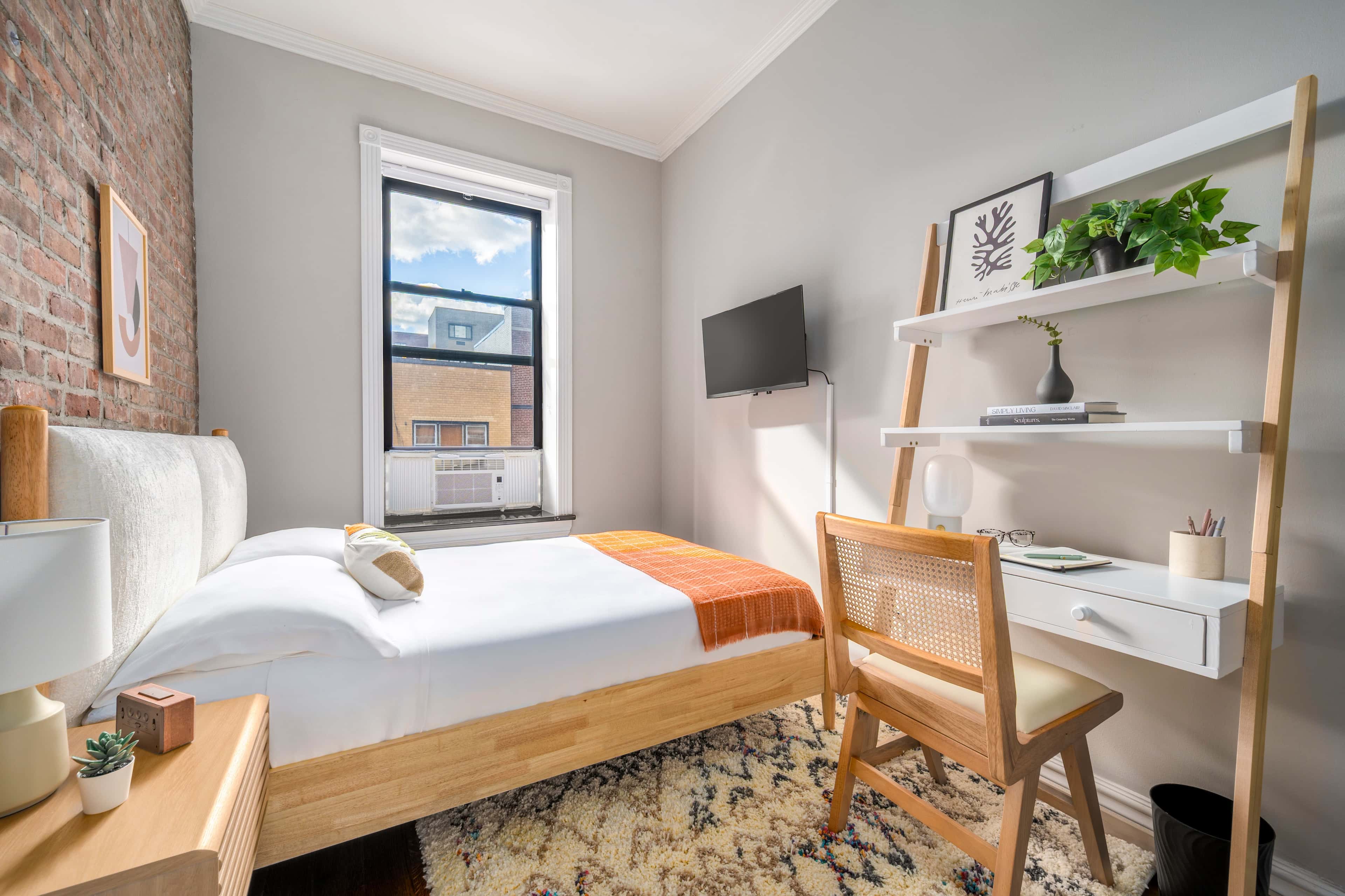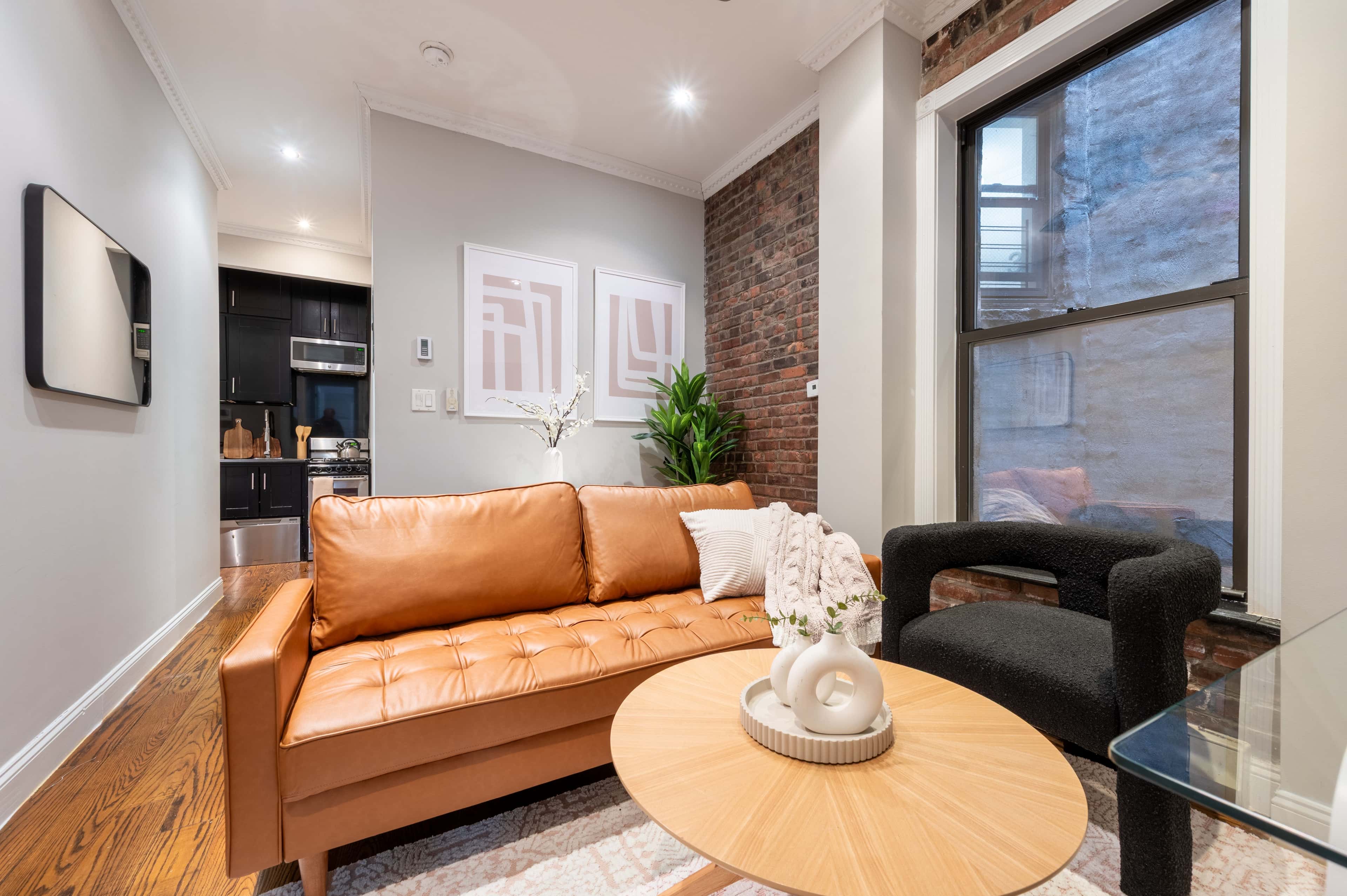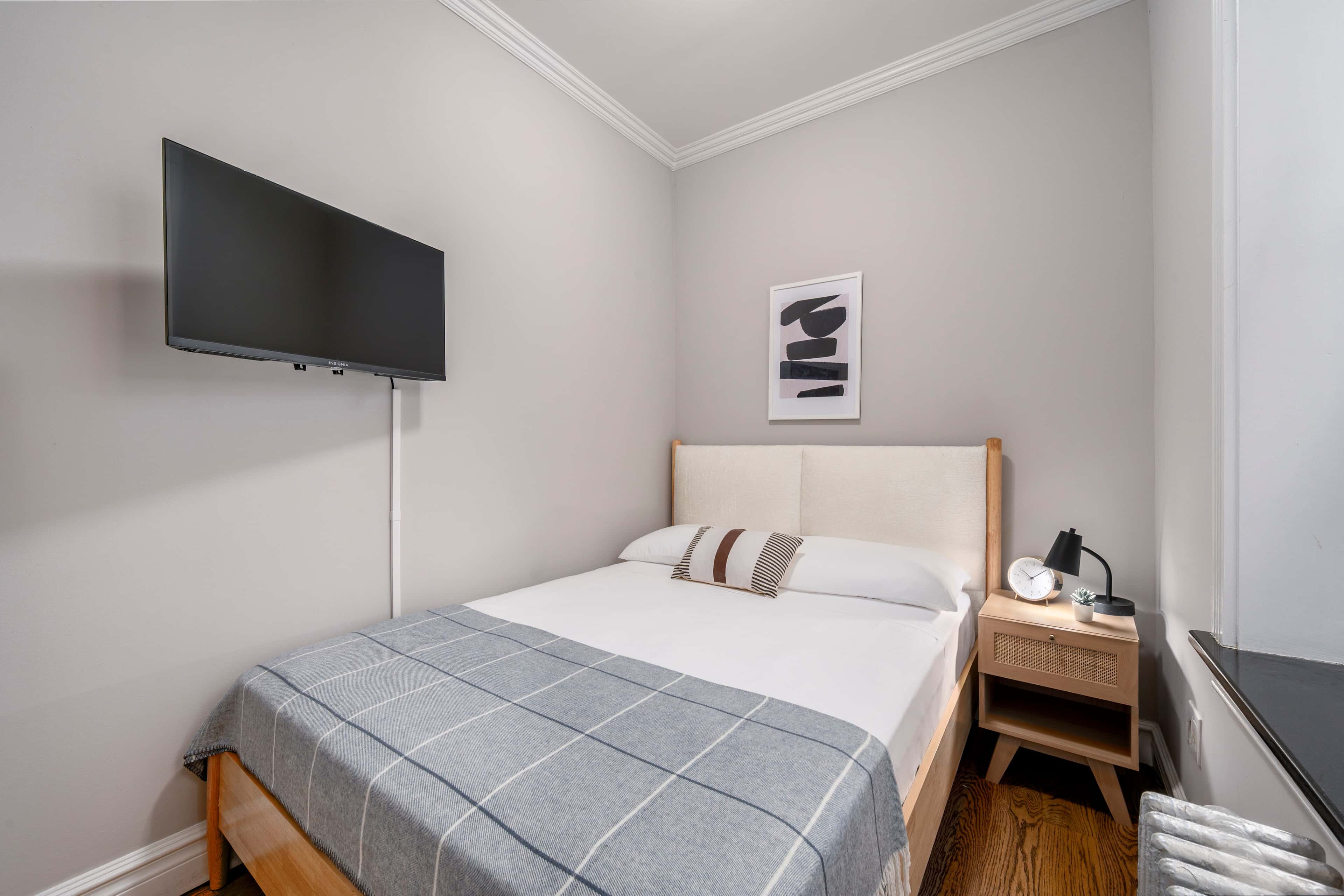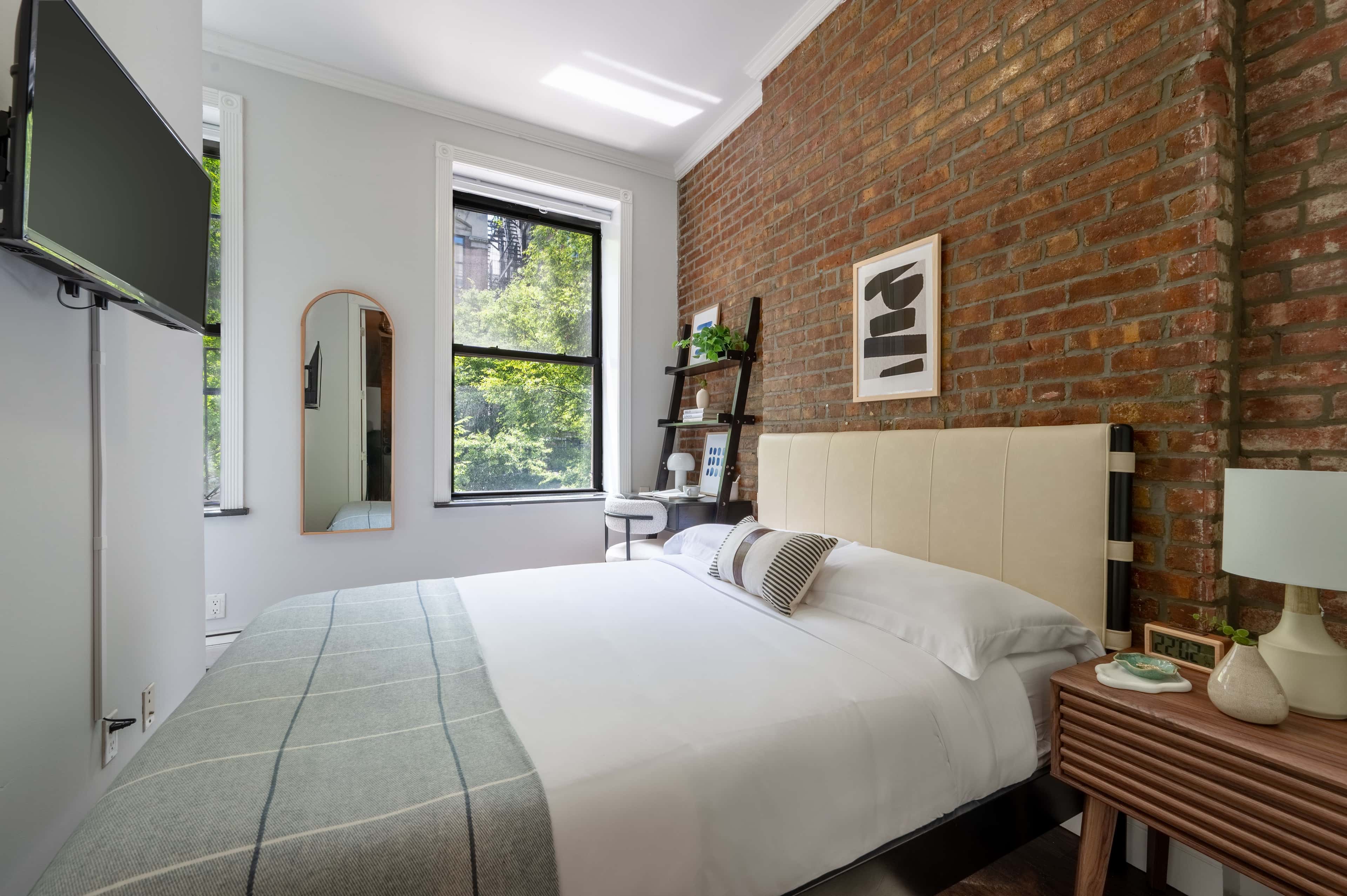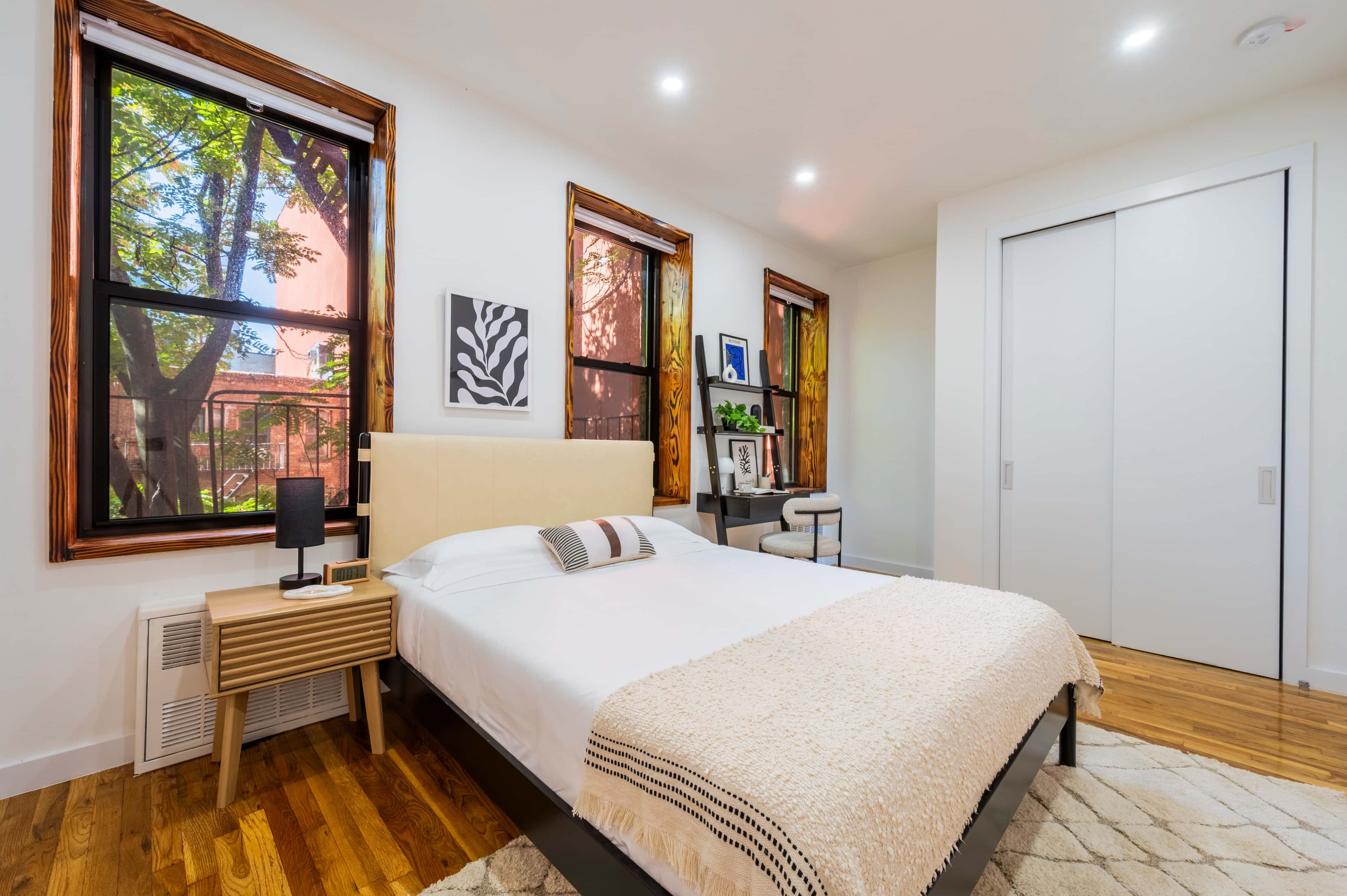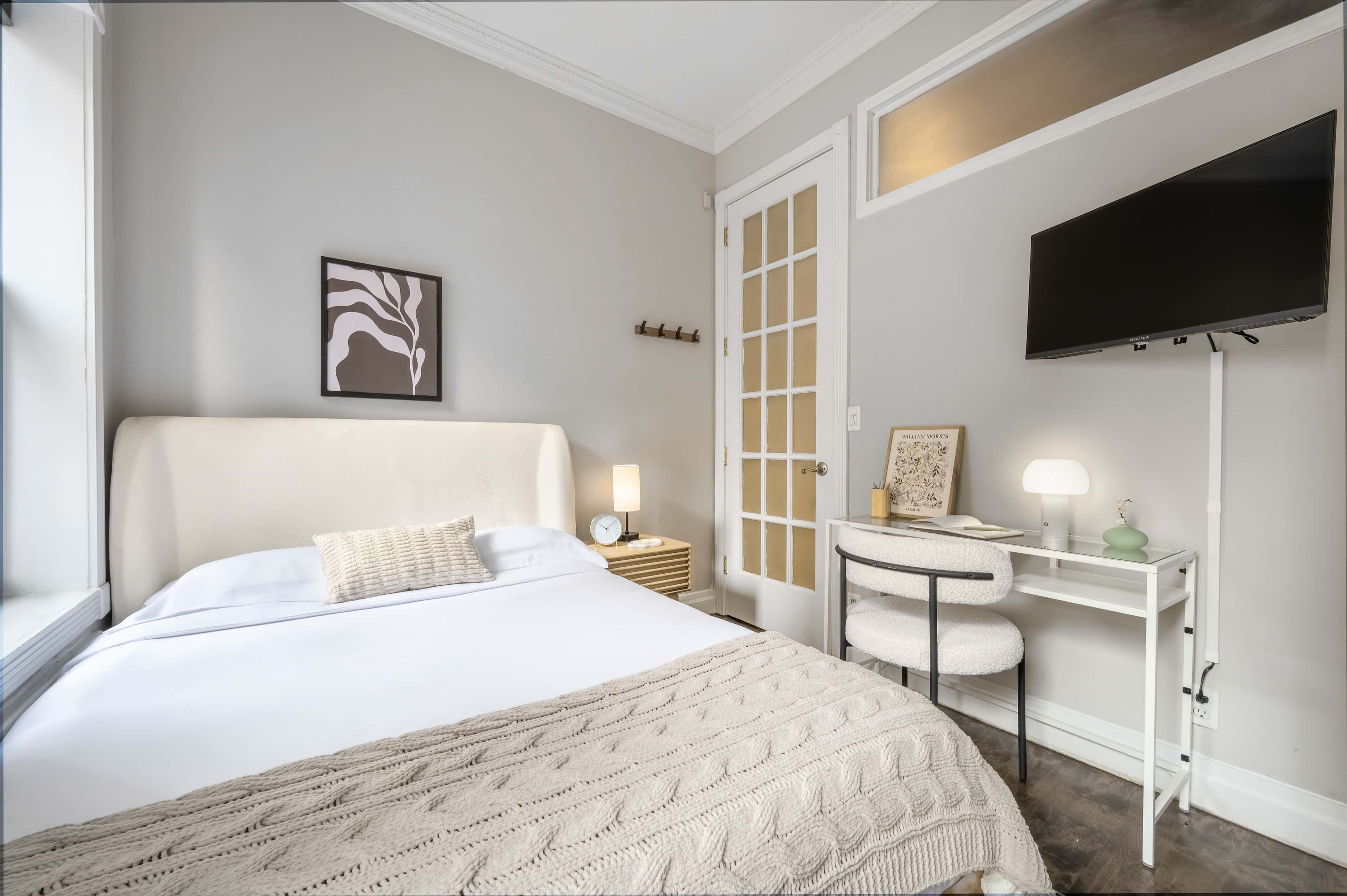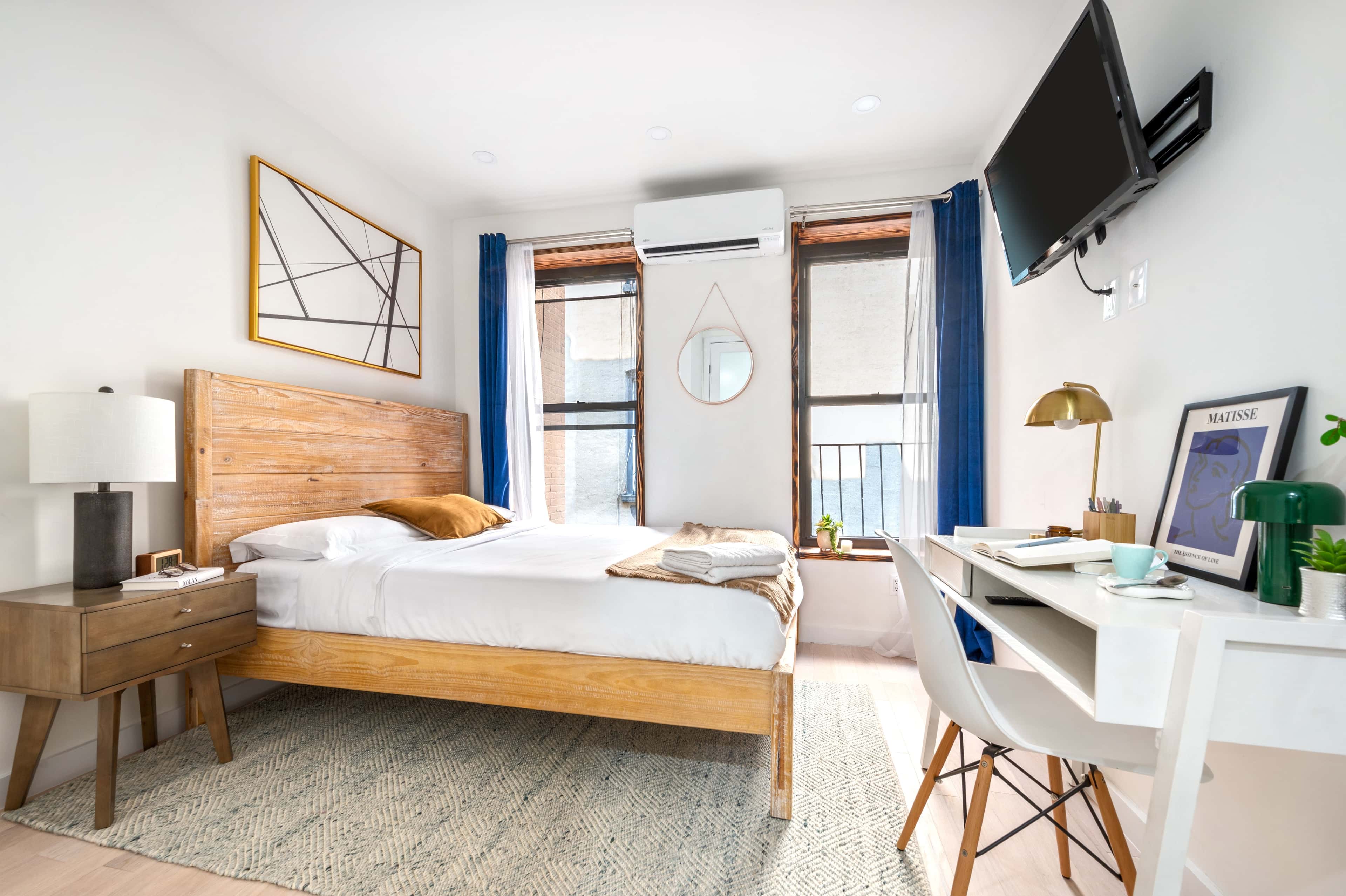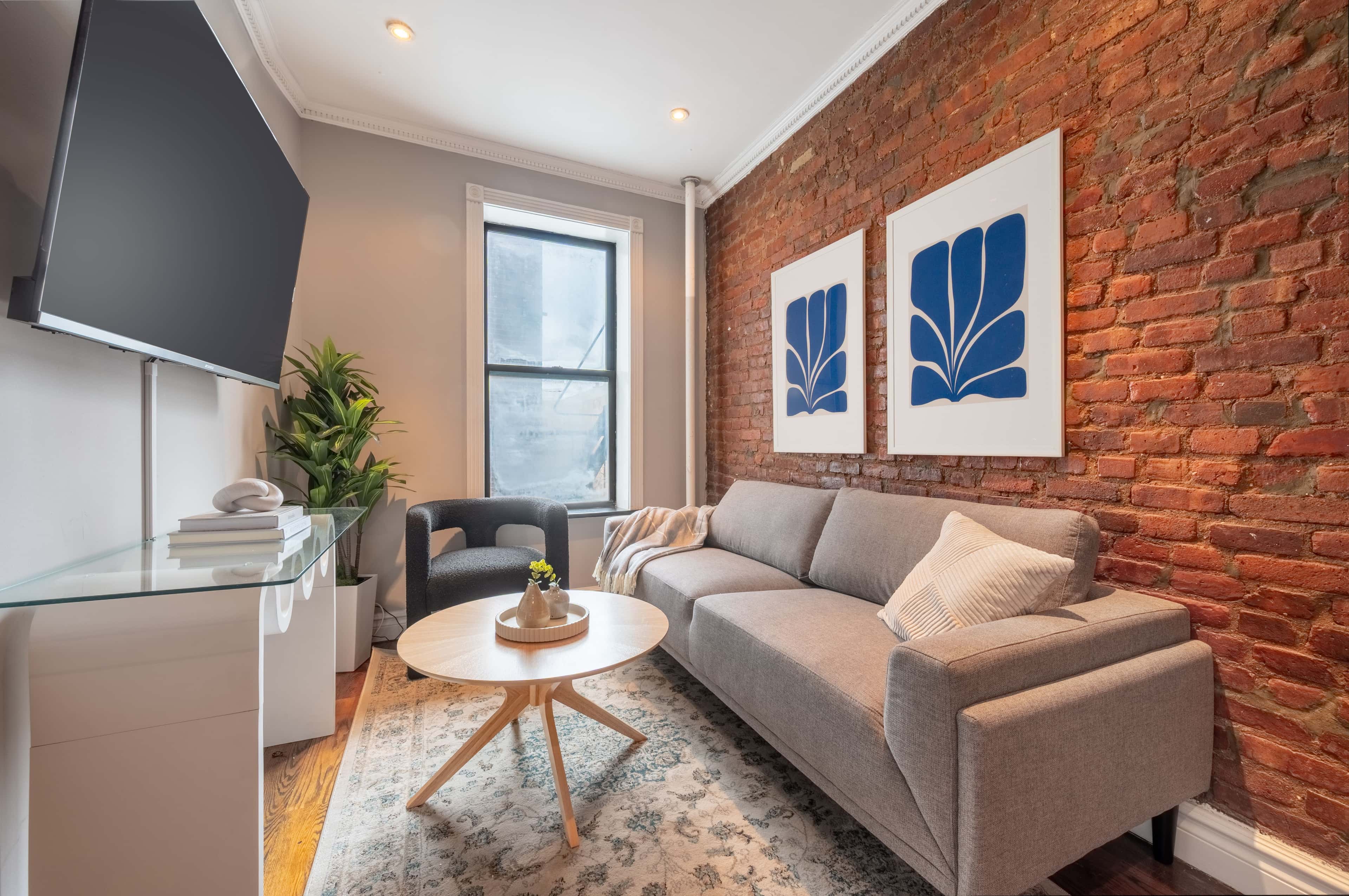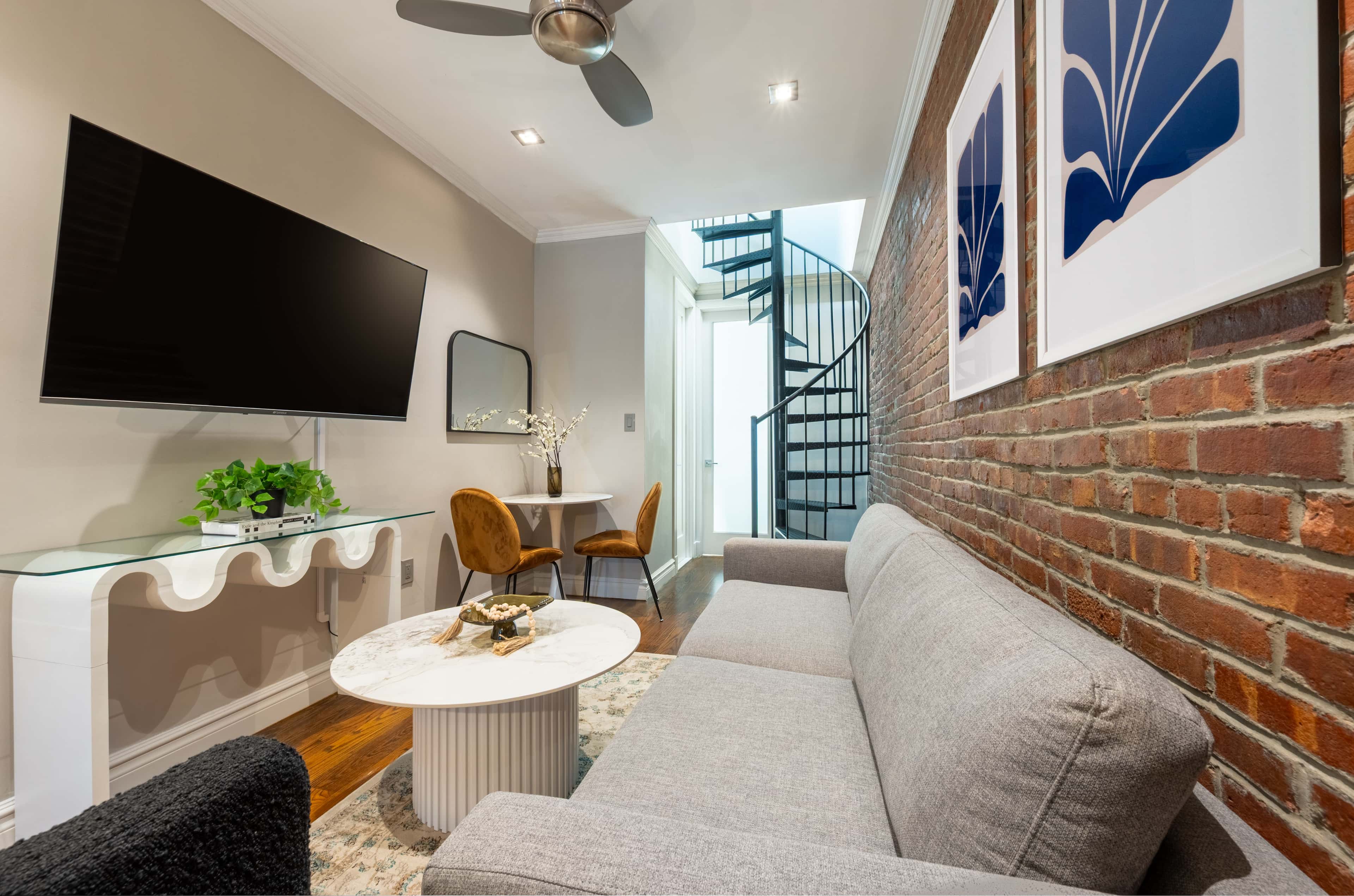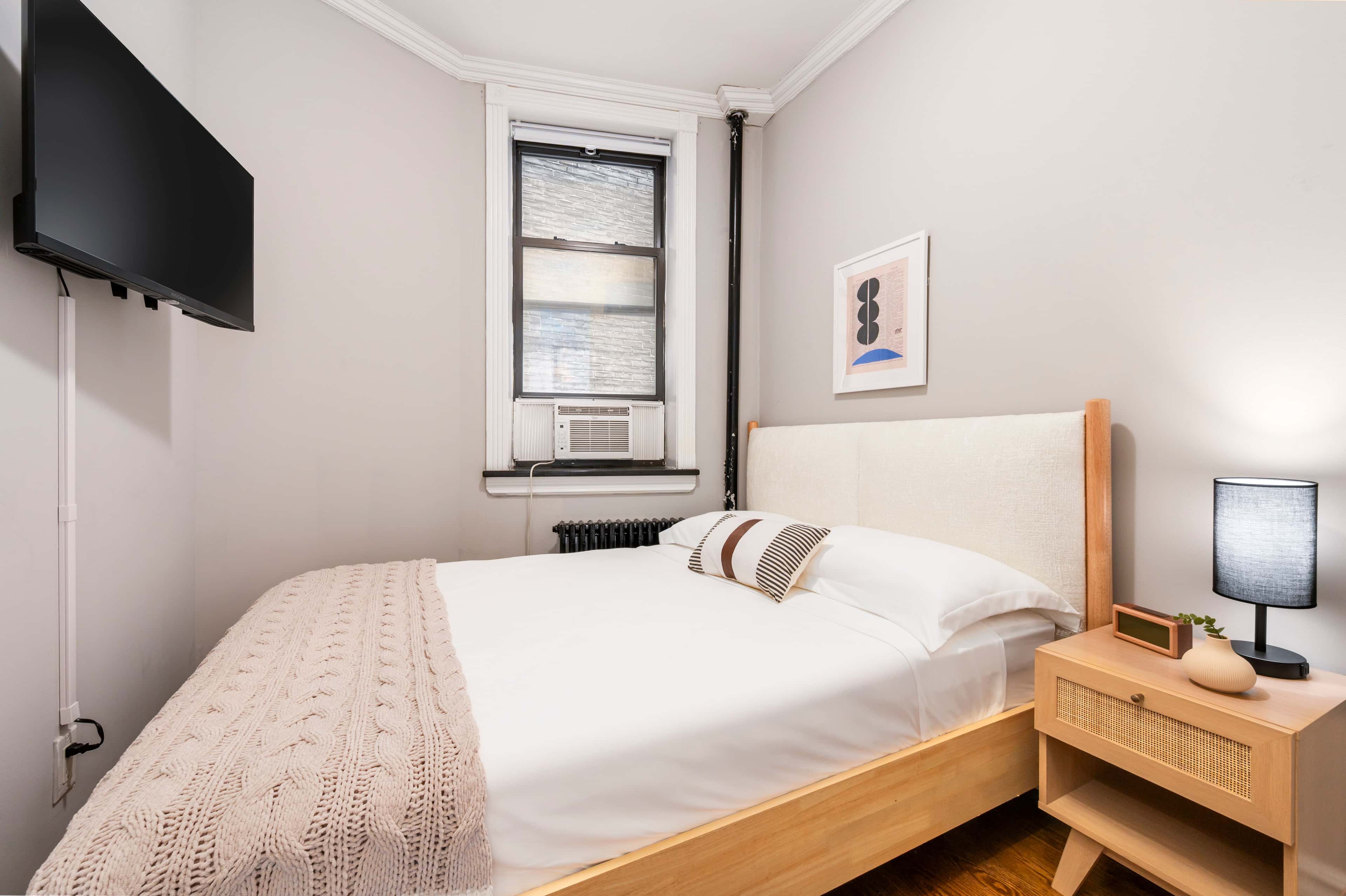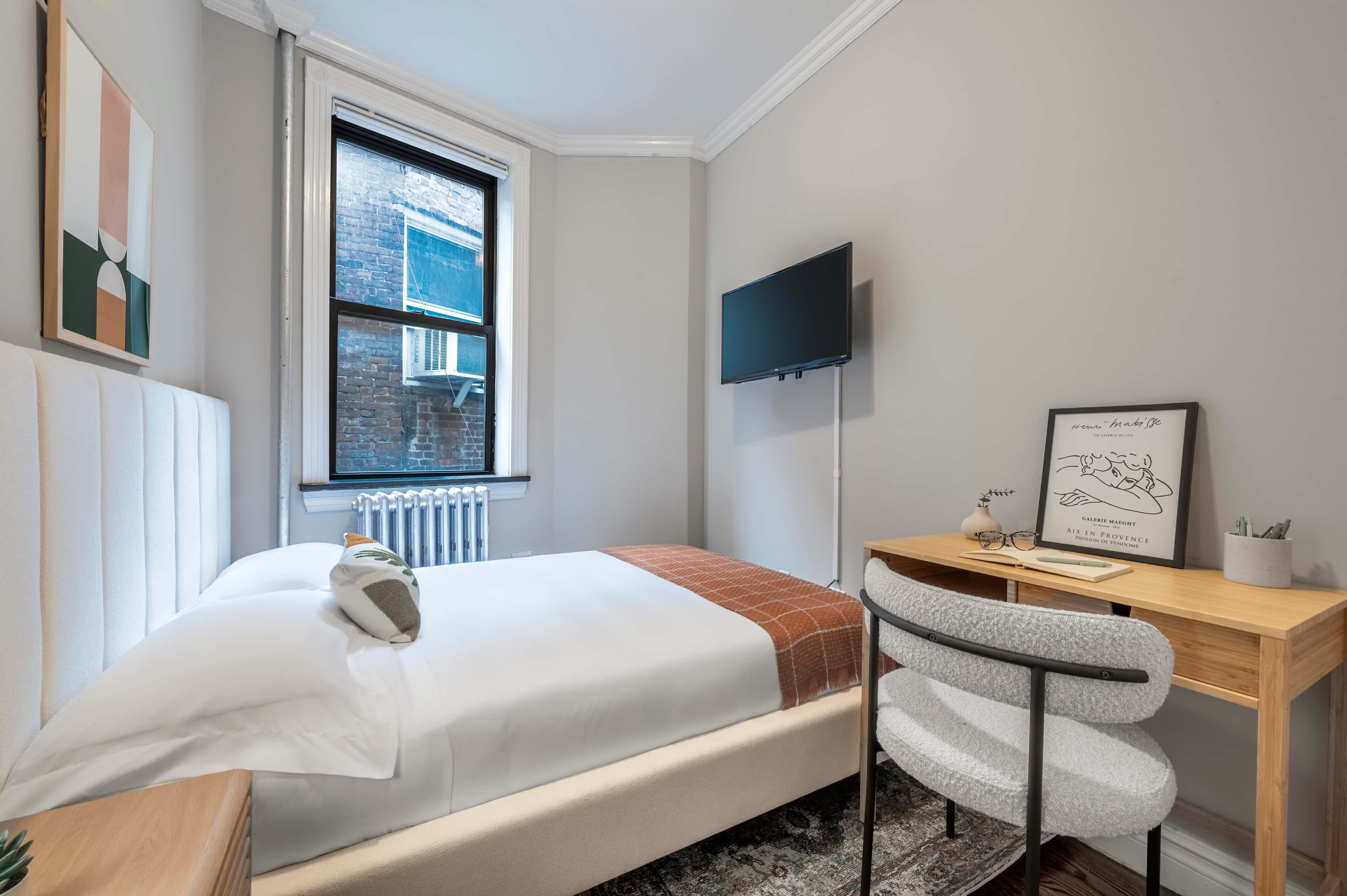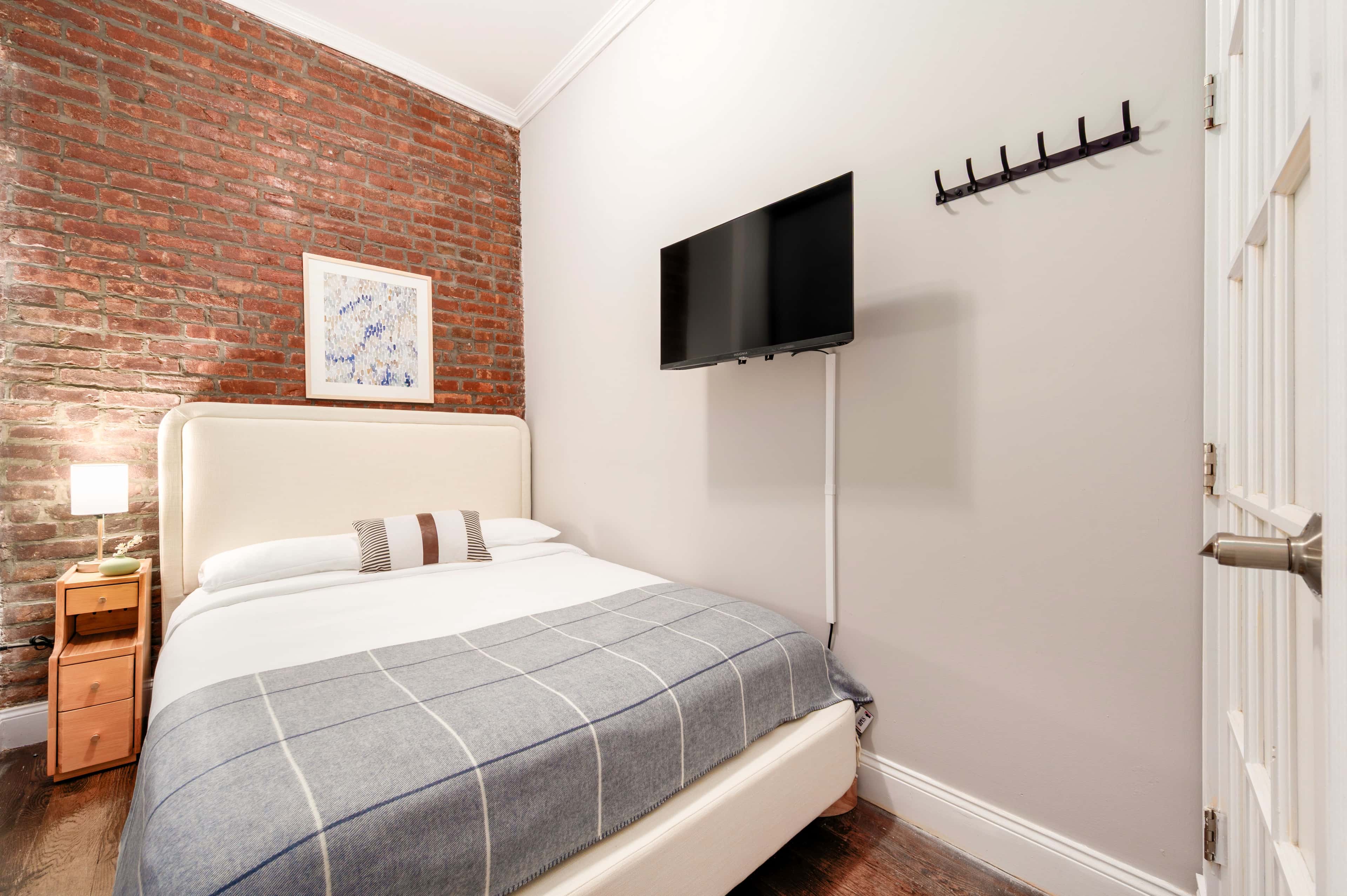


Find your space in one call!
Tell us what you need - we’ll match you the right space. Fast.
- NO FEES
- FREE ROOMRS ADVISOR
- VIRTUAL TOUR
32+ Stays | Available Now
Upper East Side, Manhattan, NY
Kips Bay, Manhattan, NY
Kips Bay, Manhattan, NY
Kips Bay, Manhattan, NY
Tell us what you need - we’ll match you the right space. Fast.
Upper West Side, Manhattan, NY
East Village, Manhattan, NY
Lower East Side, Manhattan, NY
Midtown, Manhattan, NY
Hells Kitchen, Manhattan, NY
Lower East Side, Manhattan, NY
Kips Bay, Manhattan, NY
Upper West Side, Manhattan, NY
Midtown, Manhattan, NY
Get a FREE personalized help finding your perfect space
Kips Bay, Manhattan, NY
Upper West Side, Manhattan, NY
East Harlem, Manhattan, NY
Kips Bay, Manhattan, NY
Midtown, Manhattan, NY
Upper East Side, Manhattan, NY
Soho, Manhattan, NY
Kips Bay, Manhattan, NY
Hells Kitchen, Manhattan, NY
Midtown, Manhattan, NY
Midtown, Manhattan, NY
East Village, Manhattan, NY
East Village, Manhattan, NY
Manhattan, NY
Lower East Side, Manhattan, NY
Kips Bay, Manhattan, NY
Midtown, Manhattan, NY
Upper East Side, Manhattan, NY
East Village, Manhattan, NY
Renting an apartment in New York City involves leasing an entire unit rather than sharing a home with roommates. For renters who want privacy and long-term stability, NYC apartment rentals offer full control over living space, but they also require more planning than room rentals or coliving options. Because demand is high, knowing what to expect around leases, pricing, and neighborhoods can make the search more manageable.
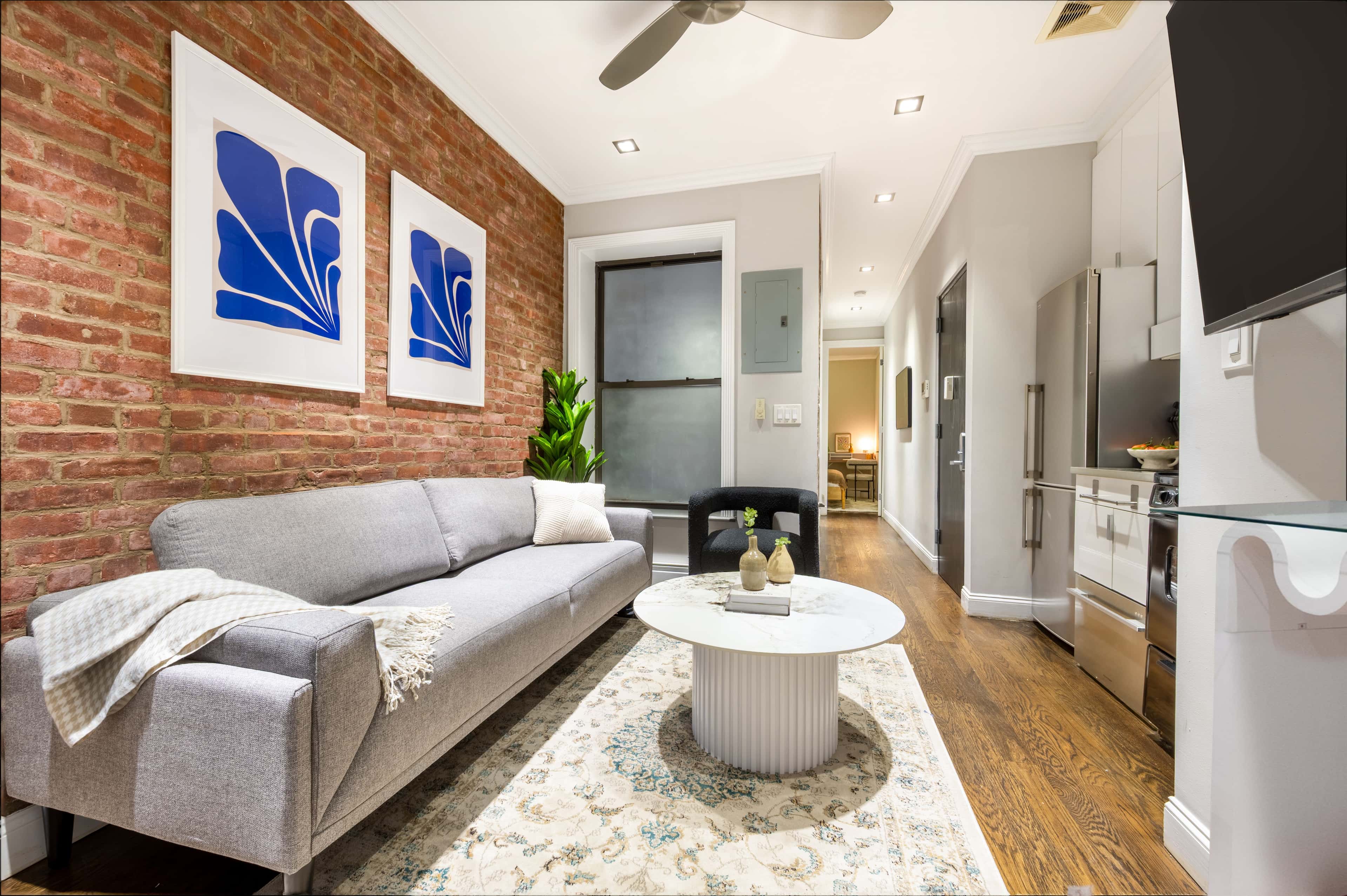
Unlike rooms or coliving, apartment rentals in NYC provide exclusive use of the unit, including kitchens and bathrooms, without shared common spaces.
Most apartment rentals in NYC involve longer commitments and more documentation than rooms or coliving.
In NYC, prices often reflect neighborhood demand, building amenities, and proximity to transit. Studios and one-bedroom apartments in central areas often command higher rents, while apartments in outer boroughs may offer more value. Unlike many flexible housing options, apartment rent usually does not include utilities, which should be factored into monthly budgets.
Location, square footage, amenities, and access to transit all play a role, along with seasonal demand.
For many renters, apartments cost more than renting a room or coliving once utilities, furnishings, and upfront fees are considered. But, this trade-off can be worth it for the privacy and control an apartment offers.
Most apartment rentals in NYC are unfurnished and include only the apartment itself. Renters are responsible for furnishing the space and setting up utilities, which adds to upfront and ongoing costs.
Unfurnished apartments are standard, while furnished options are less common and often limited to short-term stays.
Electricity, gas, internet, and other utilities are usually paid separately and should be factored into monthly budgets.
This option is best suited for renters looking for long-term stability, privacy, and full control over their living space. An apartment rental in NYC often appeals to individuals or households planning to stay for a year or more.
Apartments provide private living without shared common areas, making them ideal for renters who value autonomy.
Those planning to settle in NYC longer term often prefer apartments over more flexible housing options.
Choosing the right neighborhood is a key part of renting an apartment in NYC. Many renters balance commute time, neighborhood character, and budget when deciding where to live.
Living near reliable subway lines can significantly improve daily commutes and expand housing options.
Some neighborhoods are quieter and more residential, while others offer easy access to dining, nightlife, and cultural venues.
Renting an apartment in NYC provides more privacy and independence than coliving or room rentals, but it typically requires more commitment and upfront effort. If you’re looking for more flexibility or furnished options, coliving or room rentals may be a better fit.
Coliving often includes furnished spaces, bundled utilities, and flexible leases, while apartments usually involve separate bills and longer commitments.
Renting a room usually means sharing kitchens and living spaces, whereas apartments offer exclusive use of the entire unit.